If you are weighing leaf spring vs coil spring suspension off road, forget the parking-lot flex contest for a minute. The better system depends on what your rig carries, where you drive, and how far you are willing to walk when a part fails. A lightweight Jeep on weekend trails has different needs from a Tacoma loaded with water, fuel, tools, and a roof tent.
I have repaired both systems after real trail abuse. Leaf springs are simple, tough, and easy to understand. Coil springs ride better and give engineers more freedom with suspension geometry. Neither one is automatically the right answer. The wrong setup usually reveals itself after a few hundred miles of washboard, not during a two-minute articulation video.
How leaf springs work on a trail rig
A leaf spring is a stack of curved steel strips that supports the axle and controls its movement. On many solid-axle trucks, the springs also locate the axle front to rear and resist some side movement. That means fewer separate links, bushings, and brackets underneath the vehicle.
That simplicity is useful in the backcountry. A broken center pin, U-bolt, or spring eye bushing is unpleasant, but the failure is usually visible and understandable. A competent driver can often identify the problem with a flashlight and a socket set. A replacement center pin, spring plate, or U-bolt can fit in a trail spares box without taking up much room.
The price is ride quality and articulation. Leaf packs bind as they flex, especially when the shackle angle is poor or the pack is overloaded. A stiff rear spring can toss an empty truck sideways over rocks. A soft pack can sag when the bed is full. Add a heavy bumper, spare tire carrier, drawer system, and camping load, and an old spring pack may spend its life riding on the bump stops.
I have seen this on the Mojave Road after long washboard sections. The truck was not dramatically modified, but its rear leaf packs had lost their arch. The owner kept adding preload to the shocks instead of addressing the tired springs. By the final stretch, the axle was moving almost entirely through the bump stops.

What coil springs do better
Coil springs handle vertical movement while separate control arms, trailing arms, or radius arms locate the axle. That division of labor gives designers more control over caster, pinion angle, axle travel, and wheel movement. It is one reason modern SUVs and many Jeeps feel calmer on rough ground.
In a comparison of leaf spring vs coil spring suspension off road, coils usually win for ride comfort and controlled articulation. A properly designed four-link or five-link system can keep tires planted while allowing substantial travel. On a rocky climb, that can reduce wheel spin and make throttle control easier. The rig feels less like it is hopping from one contact patch to the next.
Coils also make it easier to tune the suspension for a specific use. Spring rate, shock valving, bump-stop length, and link geometry can be changed independently. That flexibility is valuable when you move from an empty trail rig to a loaded overlander.
But the extra capability brings extra parts. Control-arm bushings, link brackets, track bars, coil retainers, and multiple mounting bolts all deserve inspection. A bent link or torn bushing may not stop the vehicle immediately, but it can change alignment and make the rig unpredictable. On a remote trail, more articulation does not help if a small bracket has cracked away from the frame.
Load carrying changes the answer
Payload is where the leaf-versus-coil debate gets practical. Leaf springs carry weight directly through their spring packs, so heavy-duty versions can support a constant load without requiring separate air bags or complex helper systems. This is why pickup trucks and many work-oriented 4x4s continue to use leaves at the rear.
For a Tacoma, F-250, older Land Cruiser, or full-size expedition truck, a well-matched leaf pack can be the sensible choice. The key is matching spring rate to the actual travel weight. Do not choose a pack based only on a catalog lift number. Weigh the truck with its normal fuel, passengers, recovery gear, water, and camping equipment. A two-inch lift spring designed for 500 pounds of added load will behave differently from one designed for 1,200 pounds.
Coils are excellent when the load changes frequently. An empty SUV can ride comfortably, then carry a moderate expedition load without the harshness of an overloaded leaf pack. However, a coil setup that is too soft will sag, reduce ground clearance, and force the shocks to work outside their ideal range. Air-assist bags can help, but they add lines, fittings, and another possible leak.
Repairs and failure points in the dirt
The most useful way to judge leaf spring vs coil spring suspension off road is to imagine the repair beside the trail. With leaf springs, inspect cracked leaves, shifted center pins, loose U-bolts, broken shackles, and elongated spring-eye holes. A damaged leaf pack can sometimes be strapped, clamped, or temporarily supported well enough to reach pavement, although any temporary repair requires low speed and careful judgment.
With coils, inspect the spring seats, control arms, track bar, sway-bar links, and shock mounts. A dislodged coil can sometimes be reseated after unloading the suspension. A failed control-arm mount is a more serious problem because the axle may no longer stay in position. Carrying spare bushings is useful only if you also carry the tools and press equipment needed to install them.
On a three-day route near Flagstaff, I would rather see a driver carry a torque wrench, correct sockets, spare U-bolts, and a tire-sized pry bar than a pile of decorative recovery gear. Suspension failures often begin as loose hardware. A pre-trip inspection with a paint marker across critical bolt heads can show whether anything has moved.
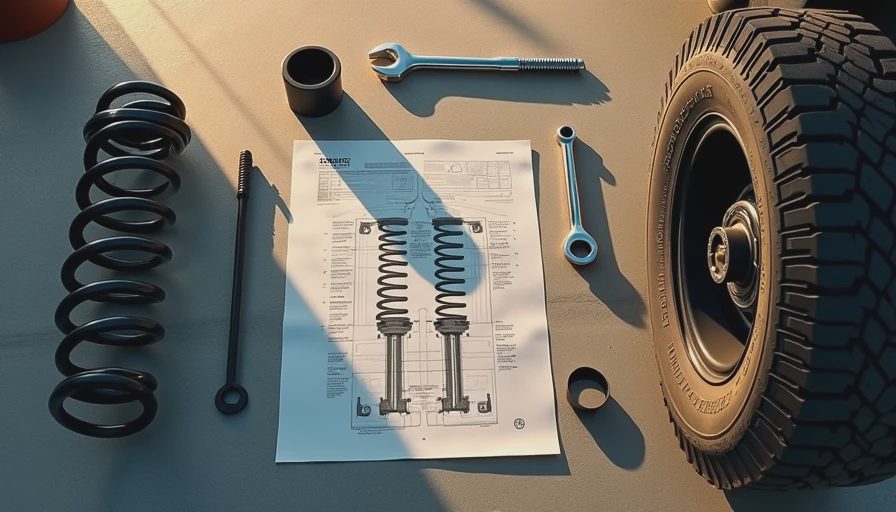
Which suspension belongs on your vehicle?
For a work truck, constant payload, or simple solid-axle build, leaf springs remain hard to beat. They are inexpensive to replace, easy to diagnose, and tolerant of abuse when the spring rate matches the load. A quality leaf pack with properly valved shocks can ride far better than the tired factory springs many owners are trying to replace.
For a daily-driven SUV, technical rock crawler, or vehicle that alternates between empty and loaded travel, coils offer better ride control and suspension tuning. They are especially attractive when the chassis already has a well-engineered link system and reliable aftermarket support.
The important warning is not to compare a stock leaf truck with a carefully built coil conversion and declare the winner. Compare complete systems. Spring rate, shock valving, bump stops, tire pressure, alignment, and weight distribution matter as much as the spring shape.
My backcountry checklist before choosing
Start with the truck's measured travel weight, not its brochure curb weight. List every permanent item, then add the people, fuel, water, and recovery equipment used on a normal trip. Next, decide whether you value easy field repairs or maximum articulation. That usually narrows the choice quickly.
Inspect the chassis for rust, cracked welds, and previous damage before buying lift parts. A new suspension cannot correct a weak mounting point. Confirm that replacement parts are available in the towns along your regular routes, especially if you travel through remote desert country.
Finally, test the finished rig loaded. Drive a familiar washboard road, a steep loose climb, and a section with uneven ledges. Listen for clunks, measure ride height afterward, and check every suspension fastener. If the truck feels impressive empty but bottoms out with camping gear, the setup is not finished.
In the debate over leaf spring vs coil spring suspension off road, there is no universal champion. Choose leaves for simplicity, payload, and field serviceability. Choose coils for ride quality, axle control, and tunable articulation. Then inspect the parts before every trip. If it hasn't broken in the backcountry, I don't recommend it.