The best winch for off road recovery is not the one with the biggest number on the box or the shiniest aluminum housing. It is the winch that still pulls after mud, dust, water, and a long day of abuse. I have seen recovery gear fail on Arizona trails because somebody bought for bumper appeal instead of vehicle weight. A winch is insurance, not decoration. Choose the capacity, rope, controls, and mounting system as one package.
Start with vehicle weight, not marketing
Winch capacity is rated as a straight-line pull on the first layer of rope around the drum. Every additional layer reduces pulling power. That detail gets skipped in plenty of product descriptions. A 9,500-pound winch does not deliver 9,500 pounds once the drum has several wraps of rope on it and the vehicle is buried to its axles.
Weigh the rig as it travels. Include fuel, recovery boards, tools, water, spare parts, passengers, and the camping load. A lightly equipped two-door Jeep might weigh around 4,500 pounds ready for a weekend. A loaded 4Runner, Tacoma, or full-size SUV can push 6,000 pounds. For most midsize rigs, a 9,000- to 10,000-pound winch gives useful working margin. Heavy trucks and expedition builds often justify 12,000 pounds or more.
That does not mean buying the largest motor you can fit. A huge winch adds weight high and forward, draws more current, and can expose a weak bumper mount. The vehicle structure, battery, cables, and fairlead all have to support the recovery system.
Synthetic rope or steel cable?
For most trail rigs, I prefer synthetic rope. It is lighter, easier to handle, and stores less kinetic energy than steel cable if something parts. A 3/8-inch synthetic line is common on midsize winches, while 1/2-inch line suits heavier rigs and higher-capacity models. Synthetic rope still needs care: keep it clean, inspect it for melted fibers or abrasion, and never drag it over a sharp rock without a proper line protector.
Steel cable remains useful on work trucks, commercial rigs, and situations involving constant abrasion. It tolerates heat and rough contact better, but it is heavy, develops kinks, and can rust under the outer strands. Gloves are mandatory. A damaged steel cable is not a minor cosmetic problem; it can cut hands and fail under load.
For the best winch for off road recovery, I would rather see a good synthetic line on a correctly mounted 10,000-pound winch than an oversized steel-cable unit bolted to a questionable bumper. The line choice should match how and where you actually drive.
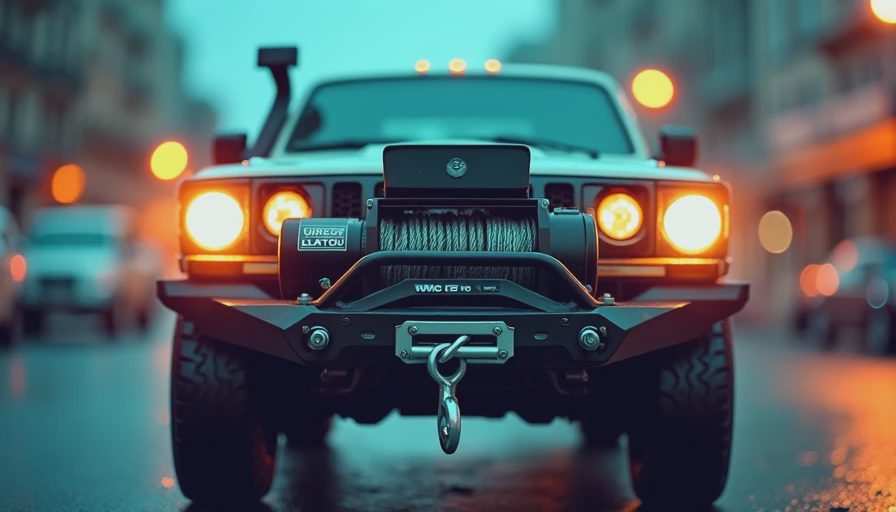
Models worth putting on the shortlist
Warn has a long service history, broad parts support, and familiar controls. The Warn VR EVO series is a practical choice for a Jeep, 4Runner, or Tacoma when you want a mainstream winch with a known support network. It is not the cheapest option, but replacement parts and serviceability matter when the nearest parts store is several hours away.
Smittybilt offers several lower-cost options, including the X20 line. The appeal is straightforward: useful capacity and features without a premium price. I would inspect the installation, cable routing, solenoid protection, and remote before trusting any budget winch on a remote trip. A lower purchase price does not excuse a weak electrical connection or poor maintenance.
Factor 55 is known for recovery hardware and synthetic-rope systems, while ComeUp builds winches aimed at serious off-road and utility use. These brands deserve consideration when weight, sealing, line speed, or compact packaging is a priority. I do not choose by brand alone. I look at warranty support, replacement rope availability, control-box placement, motor design, and whether the mount will survive a real side pull.
A useful shortlist for many rigs includes a 9,500- or 10,000-pound synthetic-rope winch, a compatible hawse fairlead, a quality recovery damper, tree saver, soft shackles, and a rated snatch block. The accessories are not optional decoration. They determine whether the winch can be used safely and efficiently.
Installation can make or break the winch
The best winch for off road recovery is useless if the bumper mount flexes. Use a winch plate or bumper designed for the specific vehicle and follow the manufacturer’s fastener specifications. Do not substitute random hardware from a garage bin. Grade-8 mounting bolts are common, but the correct size, thread engagement, backing structure, and torque matter more than the label alone.
Route battery cables away from exhaust heat, steering movement, sharp brackets, and suspension travel. Crimped terminals must be tight and protected from moisture. I like to add abrasion sleeve where cables pass near sheet metal and keep the control box high enough to avoid constant water exposure without creating a service nightmare.
Before the first trail trip, spool the rope under load. Stretch it evenly across the drum, with tight adjacent wraps and no loose nests. Test both remote functions, inspect the clutch, and confirm the winch works from the control box if the remote quits. Photograph the wiring before closing the hood. That picture can save time when you are troubleshooting in the dark.

How to use it without breaking the rig
Recovery starts with communication. Put everyone clear of the line, connect the tree saver or rated anchor, and use a soft shackle or rated bow shackle at the recovery point. Never attach to a tow ball, tie-down loop, bumper skin, or suspension arm unless that component is specifically rated for recovery.
A snatch block can nearly double mechanical advantage while reducing the load on the winch, but it also increases the amount of rope needed. Keep the vehicle aligned with the anchor whenever possible. Side pulls load the winch mount and fairlead unevenly. If the line must angle sideways, reposition the vehicle or use a second anchor rather than forcing the drum to haul at an extreme angle.
Use short, controlled pulls. The driver should apply gentle throttle only when directed, and the winch operator should watch the drum, line, anchor, and vehicle together. Stop if the rope bunches on one side, the motor overheats, the mount moves, or the anchor starts to fail. A recovery is not a race against your buddies’ phone cameras.
My buying recommendation
For a typical loaded Jeep, 4Runner, Tacoma, or similar rig, I would start with a reputable 9,500- to 10,000-pound synthetic-rope winch, a strong bumper mount, a hawse fairlead, and a real recovery kit. Spend roughly $600 to $1,500 on the winch depending on brand, motor, controls, and construction, then budget another $200 to $500 for mounting and recovery hardware. That total is cheaper than a broken bumper, damaged axle, or expensive extraction.
The best winch for off road recovery is the complete system that matches your vehicle and your trails. Before buying, weigh the rig, inspect the mounting structure, calculate cable length, and confirm service support. If it has not survived real dirt, water, and ugly pulls, I do not recommend trusting it far from pavement. If it hasn't broken in the backcountry, I don't recommend it.