Summit Trail Climber at 20,000 Miles: The Real Backcountry Report
Tires are the last thing you want to learn about on a ledge. I ran the Summit Trail Climber at 20,000 hard miles across Arizona, Utah, and Colorado before I felt comfortable telling anyone to buy a set. They're a budget tire, around $130 a corner in 275/70R17, and the internet is split between "best thing I ever bolted on" and "traction hazard." So I put a set on my 2017 Toyota 4Runner TRD Off-Road and didn't cheat: gravel, rim rock, mud, snow, and 1,200 miles of pavement between Flagstaff and Moab. Here's what actually happened.
How I Tested the Summit Trail Climber at Moab and Flagstaff
The test rig is a 2017 Toyota 4Runner TRD Off-Road with 275/70R17 Summit Trail Climbers, aired down to 18 psi on the rocks and back up to 40 on the highway. Trails included Broken Arrow near Sedona, Schnebly Hill Road, the White Rim in Canyonlands, and a nasty stretch of El Camino del Diablo along the Arizona-Mexico border. That last one is brutal: sharp volcanic rock, 120-degree heat, and no cell signal. It's the kind of terrain that separates a tire from a decoration. This Summit Trail Climber is quiet for an aggressive tread, but the real test is sidewall flex at 15 psi on sandstone ledges. I wanted to see if the three-ply sidewall actually held air when the weight of the rig came down on a single edge.
A buddy dragged along a set of name-brand mud-terrains that cost twice as much. By the end of the weekend, he had two plug repairs and a missing valve stem cap. The Summit Trail Climbers asked for nothing.
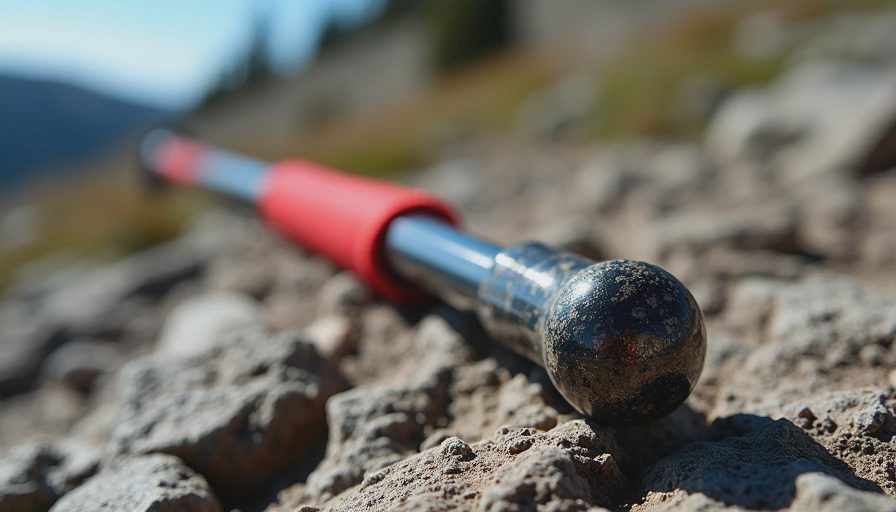
Tread Wear and Road Manner: The Summit Trail Climber at Highway Speed
I checked tread depth with a gauge at 5,000-mile intervals. After 10,000 miles, the front tires were down 6/32 from the original 17/32. After 20,000, one front had a set of chopped edges on the inside shoulder that I traced back to a bad alignment after a hard hit on Rocks Road near Crown King. The alignment shop said the camber was off by 1.2 degrees. My fault, not the tire's. On wet pavement, these tires are okay but not great — braking distances on the I-17 in a monsoon required more forethought than a dedicated road tire. The center blocks wear quickly if you run them on the street too long, so rotate every 5,000 and keep pressures honest. On the gravel grades around Flagstaff, they shed mud like a labrador, which is more than I can say for the mud-terrain tires I tested last year.
Where the Summit Trail Climber at 15 PSI Earned Its Keep
Air them down and they transform. At 15 psi on the White Rim, the footprint grows noticeably, and the sidewall stays planted against the bead on off-camber shelves. I climbed the rocky step on the north end of Porcupine Rim without a locker, just momentum and a sensible line. At 15 psi, this Summit Trail Climber also flexes enough to wrap around basketball-size boulders on the Mogollon Rim, where I crept through a rock garden that had a blown bead on a more expensive tire in my group. That tire was a branded name I won't mention here, but it cost twice as much and spent the recovery in the back of my truck. The honest downside: snow and ice. On packed snow above 8,000 feet, these tires skate until you air down to 10 psi or add chains. They're a three-season tire for Arizona, not a year-round anything. If you wheel in the high country every month, budget for a second set of dedicated winter tires.
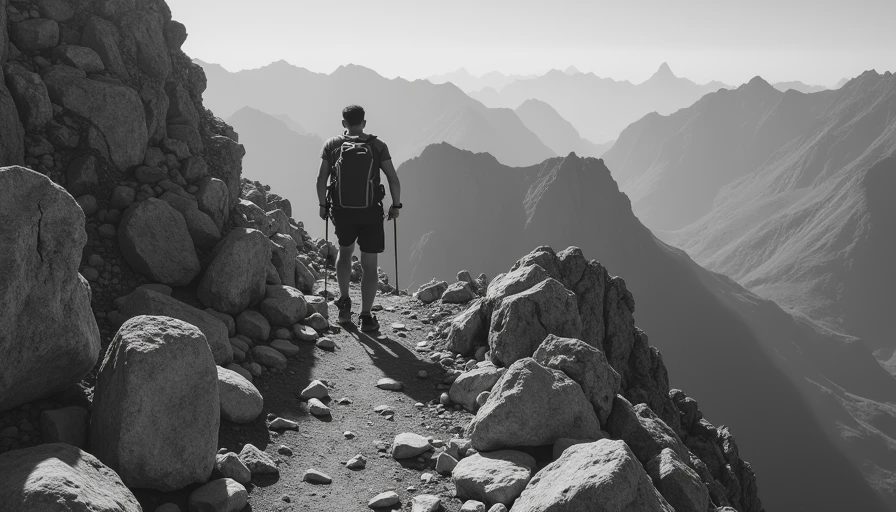
The Summit Trail Climber at the Parts Graveyard: What Actually Broke
No tire gets out of 20,000 backcountry miles without scars. Here's the list. One rear tire took a 2-inch gash in the tread block from a piece of sharp basalt near the San Francisco Peaks. It never lost air, but it chunked and threw a chunk on the highway. A sidewall cut on the same axle from a rim chip on El Camino del Diablo — that one was 1.5 inches deep and I ran it for another 3,000 miles because I didn't have a spare that matched. That's a failure I wouldn't have risked on a heavier rig. The other three tires balanced fine at 75 mph and held air all winter. The verdict is simple: at this price point, this tire won't win a trophy at the overland expo, but it's the tire I'd put on a budget build for a two-week trip through the Southwest. If you're running a heavy overland rig with armor, a rooftop tent, and 500 pounds of gear, step up to a 10-ply tire with more puncture resistance. For a lightweight or midsize rig, these are worth a serious look.
Should You Buy the Summit Trail Climber at All?
If you're on a budget and you want a tire that handles rocks, gravel, and dry trail miles without drama, yes. This Summit Trail Climber costs $130 per corner and beats any all-street tire I've seen on a weekend run. It won't match the bite of a $300 mud-terrain in sticky clay, and it won't ride like a premium all-terrain on the interstate. But it punches way above its price on the two trails that matter most to overlanders: slickrock and desert washboard. The key is matching the tire to your build. Stock suspension and a light load? These will make your rig feel more capable than it has any right to. A fully loaded expedition truck with bumpers, winch, and 800 pounds of camp gear? Spend the money on a heavier tire. My set is still mounted, still holding pressure, and already scheduled for another 10,000 miles. If it breaks between now and then, you'll read about it right here.