The Jeep Comanche is the kind of truck that makes people stop and stare. Built from 1986 to 1992, it's the compact pickup version of the Cherokee XJ. It has unibody construction, a Dana 44 rear axle on some trims, and a bed that can haul a weekend's worth of camp gear without dragging you down. But there's a catch. These trucks are old, parts are getting scarce, and buying the wrong one will cost you more in repairs than the purchase price. I've seen it happen countless times in my years at the shop.
Let's talk about why the Jeep Comanche remains a solid off-road platform, what to check before you hand over cash, and what insurance really costs. If you're even thinking about owning one, this is the honest scoop.
Why the Jeep Comanche Still Turns Heads
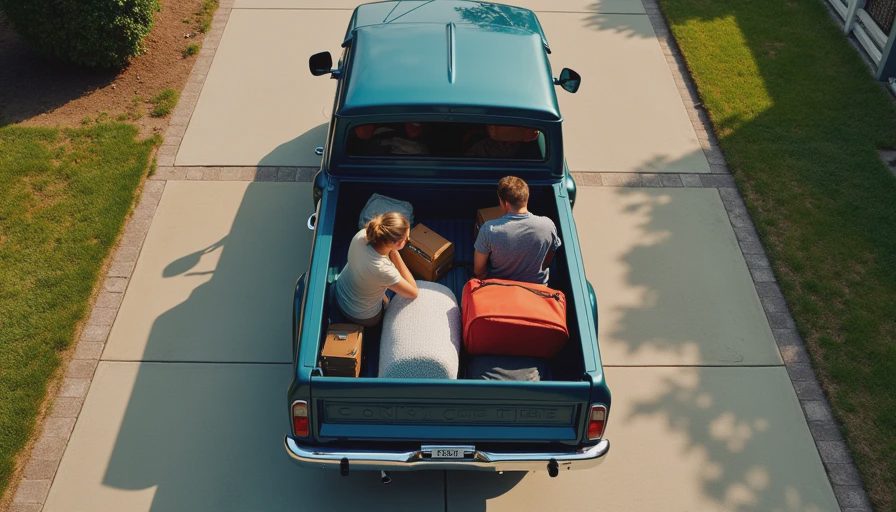
The Comanche shares its front clip, drivetrain, and suspension with the Cherokee. That means there's a massive aftermarket for lift kits, lockers, armor, and engine upgrades. You can turn a Comanche into a serious trail rig without hunting for custom parts. The short bed is a bonus off-road: better departure angle, less overhang, and easier to maneuver through tight canyons. Longbed models have room for a rooftop tent and a fridge. But every Comanche is over 30 years old now, and rust is the real enemy. When the floor pans and frame rails rot, the unibody loses its strength. I've crawled under plenty of these trucks at trail meetups, and some of them should have been parted out years ago.
Buying a Jeep Comanche Without Getting Burned
First, check the obvious rust spots: the floors, the rocker panels, and the rear crossmember behind the bumper. That crossmember is a notorious rust trap. If it's gone or crunchy, walk away. Then look at the drivetrain. The 4.0-liter inline-six is the one to buy; it's cheap to rebuild and plenty strong for the trail. A clean 4.0 Comanche with low miles can fetch anywhere from $12,000 to $18,000 these days.
The AX15 five-speed manual is the one to hunt for. It handles abuse better than the automatics, and you get the clutch control you want on rocks. Selec-Trac four-wheel drive adds snow and mud capability. If you find a combination with all three, don't let it slip away.
How Much Does It Cost to Insure a Jeep Comanche?
This is where buyers get surprised. Standard auto policies often undervalue a Jeep Comanche because they pay actual cash value. If you total a $15,000 truck, you might get a check for $8,000. That's a hard lesson. Collector insurance with an agreed-value policy fixes that. Insurers like Hagerty and Grundy will cover your Comanche for a set amount, and premiums for a modified build usually land between $300 and $800 a year.
If it's your daily driver, a standard full-coverage policy on a $15,000 Comanche runs close to $1,200 a year in Arizona with a clean record. That's not cheap, but it's manageable if you plan for it. The bigger risk is underinsuring the truck you paid a premium for. Specialty insurers are worth the extra call.
Why Agreed-Value Coverage Is Worth It
Here's a real-world example. A client bought a 1989 Jeep Comanche for $14,000 and insured it under his regular policy because it was the easy option. A deer ran into the side, the insurer totaled it, and he got a check for $8,200. He lost almost $6,000 because the adjuster used standard depreciation. With an agreed-value policy, his payout would have been the full $14,000 minus the deductible.
For a truck that's no longer made and getting rarer, that peace of mind is worth the extra premium. Also look for a policy that covers aftermarket parts. A $5,000 lift kit and $3,000 in drivetrain upgrades won't add a dollar to a standard payout. Specialty insurers let you list modified parts and cover them with photos. It's a little paperwork, but it protects your investment.
Building Your Comanche for the Trail
Start with tires and suspension before anything else. A 3-inch lift with fresh springs and shocks completely changes how the Jeep Comanche handles washboard roads. Add 31-inch all-terrains with a proper spare, and you can run most of the trails in the Southwest. The weakest stock part is the Dana 35 rear axle. If you plan to run bigger tires or lockers, find a Comanche with the Dana 44 or do a swap before you wind up on the side of the trail. I've pulled more than one broken Dana 35 out of the dirt, and none of them ended well.
Bottom Line
The Jeep Comanche is a genuinely great truck for the right buyer. It's capable, rare, and fun. But it's not a money-saver. Between purchase price, rust repairs, and insurance, you need to go in with open eyes. Buy a clean 4.0 model, set up an agreed-value policy, and you'll have a rig that's both fun and financially sound.
Before you commit, get quotes from at least two specialty insurers and one standard provider. Compare the premiums against the truck's real value. And remember my rule: if it hasn't broken in the backcountry, I don't recommend it. Keep your Comanche solid, and it'll keep you moving for years.