If you own a 1993 Land Rover Range Rover, you are not shopping for ordinary commuter coverage. This truck is old enough to need a parts network, enough value to care about agreed value, and enough charm that a bad policy can turn a clean example into a cheap payout after a fender-bender. I have seen these trucks used as mall crawlers, snow rigs, and weekend overlanders, and the insurance choice changes with the use case. Get the wrong setup and you can be stuck arguing with an adjuster over trim pieces, suspension mods, and the value of a straight, rust-free shell.
What coverage makes sense for a 1993 Land Rover Range Rover
For most owners, the starting point is liability, comprehensive, and collision, then a serious look at how the truck is valued. The body panels are aluminum, but the frame, brackets, and hardware still rot and wear like any other older 4x4. A small parking-lot hit can snowball into a big repair bill once you start hunting down rare trim, older glass, and correct interior pieces. On a truck like this, I would rather pay for the right coverage than explain to my wife why the insurer priced a tidy classic like a scrap heap.
If the truck is a garage queen or a weekend trail rig, collector-style coverage is worth a hard look. Specialty carriers such as Hagerty or Grundy are built for that world. They usually want limited mileage, secure storage, and a vehicle that is not your daily ride. That setup fits a well-kept classic better than a standard policy that values it like a tired commuter with faded paint and a cracked dash.
If you drive it every day, a mainstream carrier can still be the right move. State Farm, Progressive, GEICO, and similar companies are often easier if you want a bundle with a house or another car, or if the truck sees real road miles all week. The key is to tell the truth about how it is used. A policy priced for occasional backroad runs is not the place to hide a 12,000-mile annual commute.
Why agreed value beats a book number
This is where older rigs get punished. A book value can miss the work you have put into the truck, especially if it has clean paint, sorted suspension, fresh upholstery, or rare factory options. Agreed value coverage lets you and the insurer settle on a number up front so you are not fighting over a stale market estimate after a loss. That is a big deal when replacement parts are slow to find and labor is not cheap.
I have watched people spend several thousand dollars freshening brakes, cooling, tires, and hoses on a classic truck, then discover the policy only cares about what a rough example sold for online. That is backwards. If the truck is worth more because it is straight, documented, and cared for, the coverage should reflect that. A few good photos, maintenance records, and receipts can move the conversation in the right direction. A $500 or $1,000 deductible is common territory on policies like this, but the real number should match how much pain you can live with after a claim.
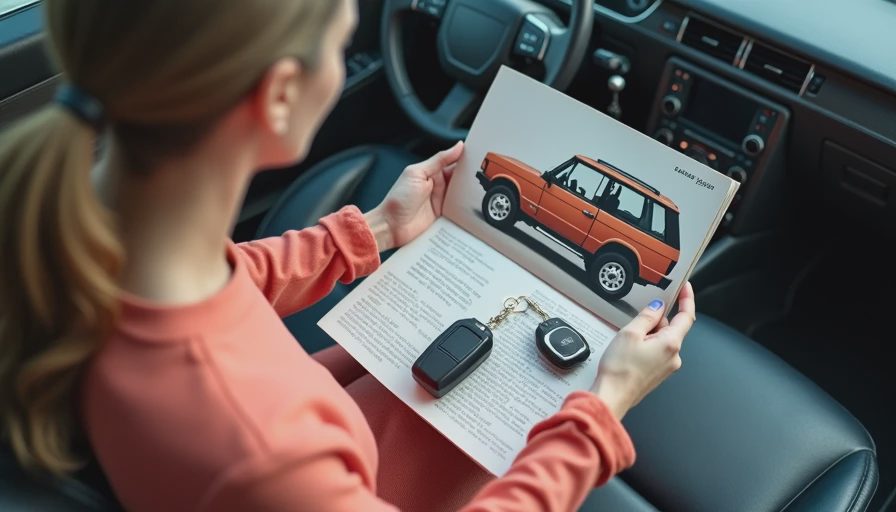
How to document value before you call for a quote
Start with the VIN, mileage, and a clean set of photos in daylight. Get front, rear, sides, engine bay, underbody, and interior shots. If the truck has aftermarket wheels, a lift, bumper, roof rack, winch, or stereo work, photograph each item and keep receipts. A lot of claims get slow because the owner can say what was installed, but cannot prove what was there before the loss.
Write down the big-ticket work in plain language. New steering components, radiator, shocks, tires, alternator, and seat upholstery all matter. Even if the truck is stock, a sorted survivor is not the same thing as a tired yard ornament. The better your paperwork, the easier it is to argue for enough coverage to repair the truck properly instead of patching it on the cheap. If you have a stack of invoices from the last five years, do not leave it in a drawer; send the useful pages with the quote request.
What to ask before you bind the policy
This is the part most people rush. Ask how the carrier handles modifications, glass, spare parts, and labor rates. If the truck has an upgraded suspension or a different wheel and tire package, you want to know whether the policy covers those items automatically or only after a schedule is added. Same with personal property in the vehicle. Camp gear, recovery boards, and tools are often handled separately.
On a 1993 Land Rover Range Rover, the paperwork matters almost as much as the truck itself. Ask whether the policy is agreed value or actual cash value, whether you can set a mileage cap that matches your life, and whether the company cares if the truck is used for light overlanding or just weekend drives. If the answer sounds fuzzy, keep shopping. A clean policy should be easy to explain in one sentence, not a two-hour phone call with three hold times.
That is also where the quote spread shows up. A bare-bones liability policy can be cheap, but one fender hit can eat the savings fast. A collector policy with a firm value, garage storage, and limited mileage often costs more than a stripped-down policy, but less than people expect for a vehicle this old. For the right owner, the extra premium is insurance against a bad adjuster and a bad salvage number.
Who should use specialty classic-car insurance
If the truck is a toy, not a commute machine, specialty coverage is usually the cleanest fit. That is especially true if you have spent money on a straight body, rare interior parts, or tasteful overland gear and you want those dollars recognized. The specialty carriers know these rigs are not cheap to restore because nobody is making them new again. That matters when you start pricing a correct grille, a clean dash pad, or the right trim pieces.
If the truck sees daily use, lives outside, or racks up miles like a commuter, a standard carrier may be easier to live with. What matters is matching the policy to the way you actually drive. I have seen people overpay for a classic policy they barely qualify for, and I have seen others underinsure a very nice truck because they thought old meant cheap. Neither one is smart.
What a clean quote should include
A solid quote should spell out the value, the mileage limit, the deductible, and the storage requirement in plain English. It should also tell you whether towing, roadside help, and parts shipping are included or priced separately. If you are the kind of owner who orders parts on a Friday and wants the truck back together by Sunday, that detail matters more than the glossy brochure.
When you compare carriers, put the same facts on every quote request. Same mileage, same zip code, same storage setup, same modifications. That is the only way to see whether a specialty classic policy is actually cheaper than a standard one or just dressed up better. If you want the shortest path to a fair number, send photos, receipts, and a brief description of how the truck is used. Then ask for a firm quote, not a teaser. That is how you keep the conversation honest and get coverage that can survive the first dent.