Most toyo open country a/t iii tire reviews stop at a clean truck in a parking lot. That is not enough for an all-terrain tire. I want to know how it behaves after a hundred miles of washboard, a cold morning on packed snow, and a long pavement run with a loaded rig. The Toyo Open Country A/T III is popular for good reason, but popularity does not make a tire automatically right for your 4Runner, Tacoma, Wrangler, or full-size pickup.
I have spent years fitting tires to vehicles that travel far beyond cell service. The important questions are simple: Does the casing hold up? Can the tread find grip on loose rock? Does it remain predictable when the vehicle is heavy? And will it still be tolerable on Interstate 17 after a weekend in the desert? Here is the practical answer.
What the Toyo Open Country A/T III does well
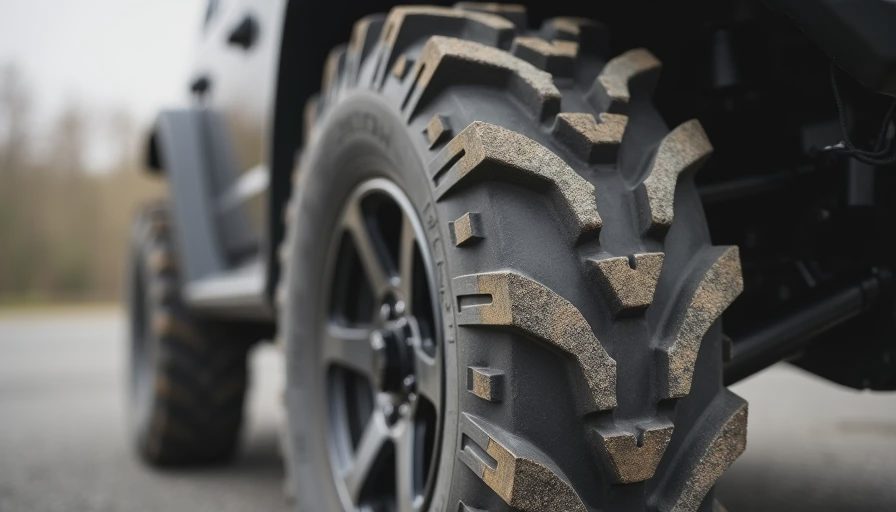
The first strength is balance. The A/T III is not a mud tire wearing an all-terrain nameplate, and it is not a highway tire with decorative sidewall lettering. Its tread has enough void to clear gravel and shallow mud, while the closely spaced center blocks keep it composed on pavement. That makes it a sensible choice for an overland rig that drives several hours to reach the trail.
In toyo open country a/t iii tire reviews, owners often focus on tread appearance. I pay more attention to steering response and casing behavior. On a properly aligned truck, this tire generally feels stable at highway speed and does not wander like some aggressive all-terrains. The shoulder design gives useful bite in ruts, especially when the tire is aired down moderately rather than driven at full street pressure.
Dry rock is another strong area. On sandstone ledges and loose volcanic rock, the tread edges provide dependable forward traction. It will not replace a locker, careful throttle control, or a good spotter. No tire does. Still, the A/T III gives a driver a broad operating window before wheelspin becomes a problem.
Road noise, comfort, and wet-weather behavior
This is where the A/T III separates itself from more aggressive options. A 35-inch mud-terrain tire can sound like a distant aircraft by 60 mph. The Toyo is noticeably calmer. You will hear some tread hum as the miles accumulate, but conversation remains easy inside most trucks. That matters when a trailhead is six hours from home and you are hauling tools, fuel, and recovery gear.
Ride quality depends heavily on pressure. At the door-jamb setting, a lightly loaded Tacoma can feel stiff over broken pavement. Dropping pressure slightly for a controlled highway test can improve comfort, but never guess at a safe pressure for your load. A loaded expedition vehicle, trailer, or high-center-of-gravity build needs a real pressure check, including tire temperature and sidewall condition.
Wet pavement performance is respectable rather than magical. The grooves evacuate ordinary rain well, and steering remains predictable when the road is damp. Standing water, worn tread, and excessive speed are still a bad combination. The A/T III does not turn a heavy truck into a sports car, and drivers who regularly face severe winter conditions should consider a dedicated snow tire instead of asking one tire to do every job.
Snow, gravel, and desert washboard
Several toyo open country a/t iii tire reviews call the tire a snow performer, and that description needs context. In light snow and packed winter roads, the Three-Peak Mountain Snowflake-rated version offers more credibility than a basic all-season tire. It can climb a snowy forest road with steady throttle and sensible pressure. On glare ice, polished hardpack, or deep snow, chains or a true winter tire remain the smarter equipment.
Gravel is the A/T III's natural territory. The tread does not feel nervous when the surface changes from hardpack to marbles, and the sidewall gives a useful margin against ordinary trail abuse. On Arizona washboard, speed is still the enemy. Repeated high-speed impacts heat tires, loosen suspension hardware, and punish every item bolted to the vehicle. A tire cannot fix poor damping or an overloaded roof rack.
For desert travel, inspect the sidewalls at camp. Look for cuts, bulges, missing chunks, and embedded sharp rock. A tire that looks fine from the driver's seat can have damage on the inside shoulder after a day in deep ruts. Carry a plug kit, an inflator capable of reseating your normal bead setup, and a full-size spare that matches the rolling diameter.
Size selection and load considerations
A common mistake is choosing the biggest tire that fits the wheel well while ignoring the rest of the vehicle. A larger A/T III can add weight, reduce acceleration, increase braking distance, and rub during compression. On an otherwise stock SUV, a modestly larger size often works better than a dramatic jump that requires trimming, wheel spacers, or questionable offset.
Read the load index and speed rating before ordering. A tire that fits physically may not provide the capacity your axle, payload, or trailer setup requires. LT construction can offer stronger load capacity, but it often rides firmer than a P-metric version. That tradeoff is worth discussing with a tire professional who understands your actual axle weights, not just the truck's brochure number.
The best installation includes balancing, an alignment, and a check for rubbing at full steering lock and full suspension compression. Ask the shop to verify the spare, too. A five-tire rotation is useful when all five tires match, but rotation cannot rescue a worn suspension bushing or a bent wheel.
How the A/T III compares with alternatives
The Falken Wildpeak A/T4W is a serious competitor for drivers who prioritize snow traction and a substantial-looking sidewall. The BFGoodrich All-Terrain T/A KO2 remains widely supported, with easy availability and a familiar trail reputation. The Goodyear Wrangler All-Terrain Adventure is another reasonable highway-and-gravel option for drivers who want a quieter daily tire.
Where the Toyo fits is in the middle: more trail-ready than a mild highway all-terrain, but less compromised on pavement than a mud-terrain. Pricing often lands in the upper-middle range, and a complete set for a light truck can easily run from roughly $1,000 to more than $1,500 before mounting, taxes, and alignment. Shop by total ownership cost, not the cheapest online price. A tire that wears evenly and survives one remote trip can be cheaper than a bargain set followed by an early replacement.
My buying checklist and final call
Before buying, confirm the exact size, load range, speed rating, and whether the tire carries the severe-snow rating you need. Check the manufacturing date when the tires arrive. Have the shop measure tread depth and balance all four, then recheck lug torque after the first drive. If the vehicle pulls, shakes, or develops a vibration, diagnose it immediately instead of hoping the issue disappears.
The strongest toyo open country a/t iii tire reviews describe a tire that handles mixed use honestly. That matches my experience with its intended role: daily driving, long highway approaches, gravel roads, desert routes, and moderate rock work. It is not a replacement for recovery gear, smart pressure management, or a dedicated winter setup.
For a driver who wants one tire for commuting and backcountry travel, this is a solid shortlist candidate. For deep mud, frequent ice, or competition-level rock crawling, choose equipment built around that specific job. My rule remains the same: if it has not broken in the backcountry, I do not recommend it. The A/T III has earned a place on the serious all-terrain list, provided you match the size and load rating to the rig.