An off road tow hitch is not just a receiver hanging under the bumper. It is a load path, a recovery point, and sometimes the difference between driving out of a wash and walking for help. I have seen factory hitch tubes bend, cheap recovery shackle adapters twist, and overloaded pins shear on trails outside Flagstaff. The common failure was not always the advertised weight rating. It was poor mounting, bad hardware, or using a towing component for a recovery job it was never designed to handle.
If you spend time on the Mojave Road, Schnebly Hill Road, or the Rubicon, choose the hitch around the job you actually do. Pulling a small utility trailer across town is one task. Snatching a loaded 4Runner out of a muddy rut is another. Here is how I inspect the hardware before trusting it in the dirt.
Start with the vehicle, not the catalog
The first step is finding the actual tow structure on your vehicle. A bolt-on receiver attached to a boxed frame is generally a better foundation than a decorative bumper mount, but the details matter. Look for the hitch class, receiver size, mounting bolt diameter, and whether the frame rails show cracks, crushed metal, or rust around the holes.
A Class III receiver commonly uses a 2-inch opening and can handle moderate trailer loads when properly installed. A Class IV unit may offer more capacity, but that does not automatically make it a safe recovery point. Read the vehicle and hitch labels together. The lower rating controls the system.
Suspension lifts and aftermarket bumpers can also change the angle of a trailer or recovery strap. A hitch that sits too low may drag on a ledge, while a long drop mount can increase leverage against the receiver. On a trail build, I prefer the shortest practical extension and a mount tucked high enough to clear rocks without reducing departure angle.
What makes an off road tow hitch trailworthy
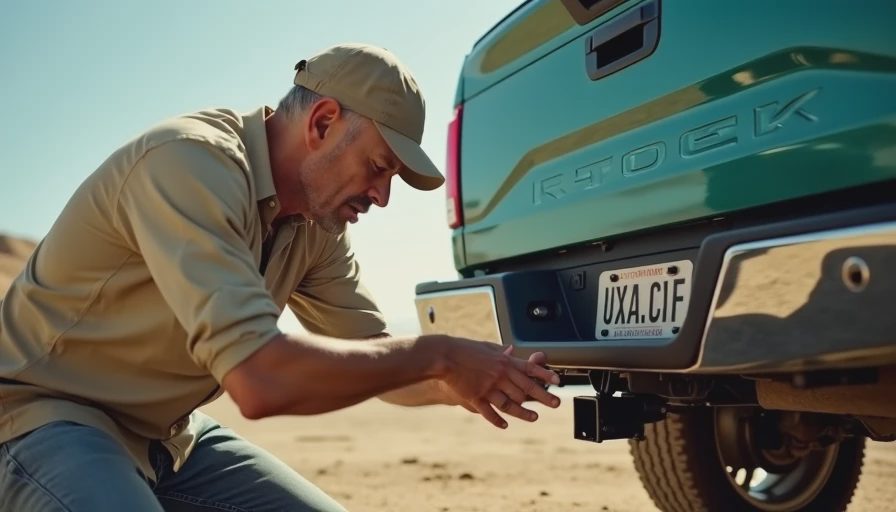
A usable off road tow hitch has more than thick steel. It needs a clean fit, strong side plates, quality welds, and hardware that will not loosen after a day of washboard. I inspect the receiver opening for excessive slop around the shank. Movement there creates impact loads, especially when a trailer bounces or a recovery line comes tight.
For trailer work, use a properly rated ball mount, trailer ball, safety chains, and locking pin. The ball must match the coupler size and load rating. A 2-inch ball, 2-5/16-inch ball, and 1-7/8-inch ball are not interchangeable. Torque the ball nut to the manufacturer specification instead of guessing with a long breaker bar.
For recovery work, do not assume a standard ball mount is safe for kinetic pulls. The trailer ball can become a projectile, and the ball mount may bend under shock loading. Use a purpose-built recovery shackle mount connected to the receiver with a rated pin. The shackle mount should sit directly in the receiver without improvised spacers or a stack of washers.
I also like a receiver pin with a positive retaining clip or locking mechanism that is easy to verify by hand. A pin that has backed halfway out after twenty miles of corrugated road is not a theoretical problem. It is a walk back to camp.
Towing versus vehicle recovery
These jobs look similar from behind the bumper, but the forces are different. Trailer towing usually applies a steady pull with braking and acceleration spread over time. Recovery can apply a sudden load when a strap stretches and contracts. That shock can multiply the force well beyond the stuck vehicle's curb weight.
Never use a hitch ball as a recovery attachment. Never wrap a strap around the receiver tube unless the manufacturer specifically provides a recovery-rated opening for that purpose. A receiver opening is not automatically a recovery point, and a stamped weight label does not certify it for snatch recovery.
For a stuck vehicle, first reduce the load. Air down tires, clear the tires, dig a ramp, and use a winch or static pull when practical. If a second vehicle must pull, keep everyone clear of the line, use a rated recovery strap, and connect through frame-mounted recovery points or a recovery-rated hitch insert. Wear gloves when handling the strap, but remember that gloves do not make bad hardware safe.
On a recovery I supervised near Mile 18 of a rocky Arizona route, the driver had a strong winch but no usable rear point. The factory hitch looked substantial, yet its crossmember had already buckled from a previous impact. We used a front pull instead and avoided turning a damaged receiver into a failure report.
Inspect the hitch after every hard trip
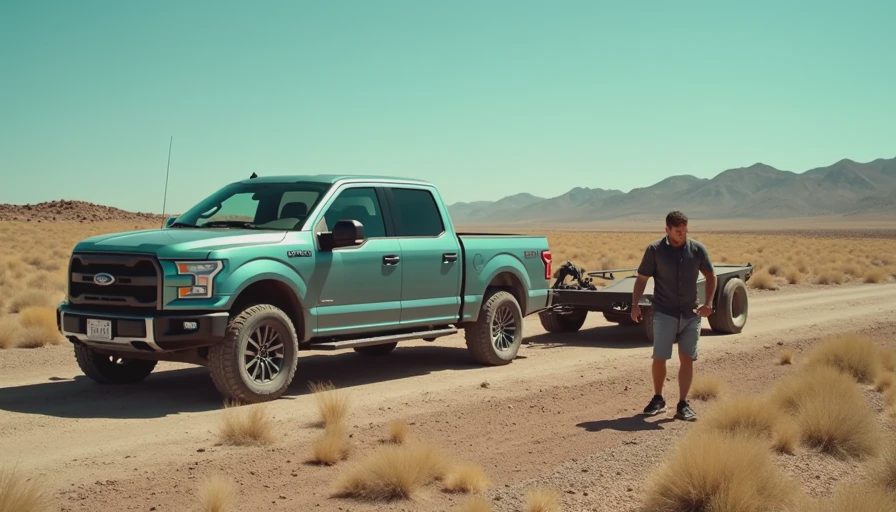
A five-minute inspection catches more trouble than a shiny product description. With the vehicle parked on level ground, check the receiver welds, frame bolts, safety-chain loops, pin, and any recovery insert. Look for elongated bolt holes, fresh rust lines, chipped powder coat, bent edges, and shiny metal where parts have been rubbing.
Remove the insert and inspect the shank. A bent shank is not a candidate for straightening with a shop press. Replace it. Check the pin hole for ovaling and confirm that the retaining clip is still tight. On a trailer, examine the coupler latch, chains, wiring, and breakaway cable at the same time.
Mud deserves special attention. Clay packed inside the receiver can prevent the pin from seating fully. Sand can work into a locking pin and make it appear engaged when it is not. Carry a small brush, penetrating oil, spare pin, and basic socket set. Those items cost little and weigh less than a replacement bumper.
Choosing hardware by real use
For a light camping trailer, select a hitch and ball mount with capacity above the trailer's loaded weight, including water, fuel, tools, and food. A trailer advertised at 2,500 pounds can weigh considerably more when ready for a week away. Use a tongue-weight scale or a local scale rather than estimating by appearance.
For a recovery-focused rig, prioritize frame attachment and a purpose-built recovery insert. Brands such as CURT, Draw-Tite, Warn, Factor 55, and ARB offer different products for towing or recovery, but brand recognition is not a substitute for matching the part to the vehicle. I have seen respected hardware installed in the wrong location and fail because the surrounding structure was weak.
An off road tow hitch should also leave room for departure-angle improvements. If the receiver hangs below the bumper, it can catch on ledges and transfer force into the frame. A high-clearance bumper with integrated recovery points may be a better investment than a heavier drop hitch. The right answer depends on whether your rig spends more time towing a trailer or extracting itself.
My backcountry checklist
Before leaving pavement, I confirm five things. First, the receiver and frame mounts are tight and undamaged. Second, the pin is fully seated with its clip secured. Third, the ball, coupler, and safety chains match the trailer. Fourth, recovery straps connect only to rated points. Fifth, everyone riding along knows where to stand and where not to stand.
I keep a spare receiver pin, soft shackles, a rated recovery strap, gloves, a flashlight, and a wrench in the recovery box. I do not carry a random hardware-store hook and call it a plan. If the gear has no clear rating or shows damage, it stays home.
An off road tow hitch earns trust through inspection and correct use, not through a giant number stamped on a label. Build the load path from the frame outward, separate towing from recovery, and replace anything bent or stretched. If it hasn't broken in the backcountry, I don't recommend it—but I still inspect it like it might.