The Goodyear Wrangler Territory MT is the kind of tire that attracts attention in a dealership lot: aggressive tread, thick-looking shoulder blocks, and enough sidewall attitude to suggest it is ready for a rough road. The real question is what happens after the pavement ends. A mud-terrain tire has to do more than look good beside a lifted truck. It needs usable grip, predictable steering, and a casing that does not complain every time the trail turns rocky.
I have spent enough time underneath broken rigs to distrust glamour shots. Tire performance comes down to construction, pressure, load, terrain, and the driver behind the wheel. The Territory MT can make sense for a truck or SUV that sees mud, loose desert tracks, and work duty, but it is not automatically the best answer for every overland build.
Where the Goodyear Wrangler Territory MT Makes Sense
The basic appeal is straightforward. The Goodyear Wrangler Territory MT uses a mud-terrain tread pattern with open voids intended to clear mud and loose debris. Those gaps give the tread somewhere to put wet clay instead of allowing the tire to turn into a smooth rubber puck. Large shoulder blocks also help when a tire is climbing out of a rut or pressing against a rock ledge.
That design is useful on access roads around northern Arizona, forest service routes, muddy construction sites, and desert trails after a storm. It is also a reasonable choice for a truck that carries tools, recovery equipment, or a camper and still needs traction away from pavement. The sidewall appearance is not the whole story, but a sturdy sidewall matters when sharp rocks are waiting just below the dust.
Do not confuse open tread with magic. A mud tire still needs the correct air pressure and enough weight on the driven axle. A heavy truck with an empty bed can spin aggressively even with excellent tires. Engage four-wheel drive early, use steady throttle, and avoid digging a hole that becomes a recovery job.

Road Manners and Daily Driving
Most owners spend more time reaching the trail than driving it. That makes road behavior part of the decision, not an afterthought. The Goodyear Wrangler Territory MT will generally produce more tread noise than an all-terrain tire. Expect a low hum that becomes more noticeable as the blocks wear. It may be perfectly acceptable in a work truck, while a quiet family SUV could feel like the wrong compromise after a long highway day.
Mud-terrain tires can also feel less precise during quick lane changes. The tall, flexible tread blocks move slightly under steering load, especially when pressures are lowered for dirt and then forgotten on the way home. Check pressure before highway travel and bring the tires back to the vehicle maker's recommended cold pressure. Do not use the maximum sidewall pressure as a default setting; that number is a limit for the tire, not a universal ride recommendation.
Rotation matters. A tire with aggressive blocks can develop uneven wear when alignment, toe, or suspension bushings are tired. Rotate according to the vehicle and tire wear pattern, inspect for cupping, and fix the reason for the wear instead of trying to hide it with another rotation.
Mud, Rocks, and Desert Two-Track
In real mud, the Goodyear Wrangler Territory MT has the right general tool for the job: open voids and edges that can bite. Still, mud performance depends heavily on the soil. Sticky clay can pack almost any tread, while wet gravel behaves more like a traction problem than a tire-cleaning problem. Momentum should be controlled, not reckless. Spinning faster usually polishes the hole and buries the axle.
On rocks, air pressure becomes more important than brand loyalty. Lower pressure allows the carcass to wrap around uneven surfaces and increases the contact patch. The correct pressure depends on wheel size, vehicle weight, tire load range, and the trail. I prefer making small reductions, testing the feel, and checking for bead or sidewall danger rather than dumping air until the tire looks flat. Carry a compressor, a reliable gauge, and a plug kit even if the sidewall looks nearly indestructible.
In desert country, inspect after every hard section. Look for cuts between tread blocks, bruises, exposed cords, and punctures that are slowly losing air. A tire can finish a rocky climb and fail several miles later on a smoother road because damage finally opens up.
Fitment, Load, and Setup Details
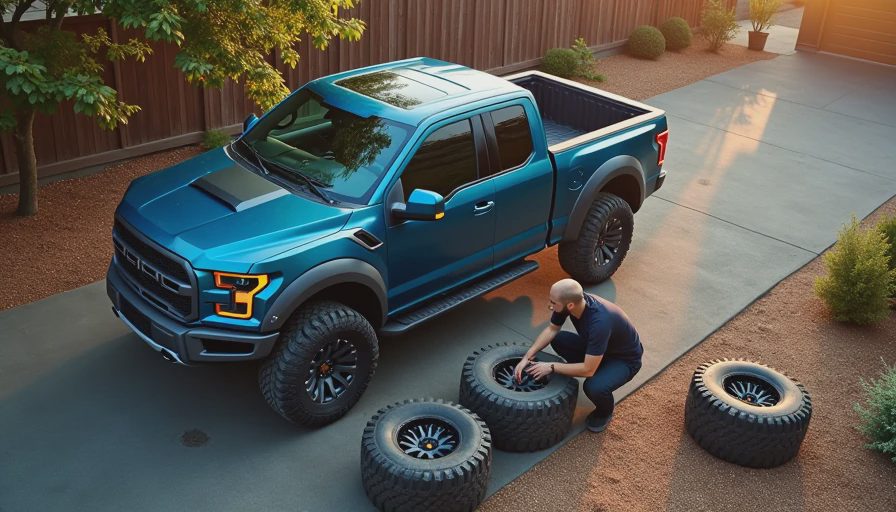
Before buying the Goodyear Wrangler Territory MT, confirm the exact size, load range, wheel diameter, and speed rating for the vehicle. A tire that fits the wheel can still be wrong for the truck's axle rating or suspension clearance. Turn the steering from lock to lock with the suspension compressed if possible. Check the inner fender, sway bar, brake line, and upper control arm. A two-inch lift does not guarantee that a wide tire will clear under compression.
Weight is another overlooked factor. Four larger mud tires, a full-size spare, steel wheels, and armor can add a serious amount of rotating and unsprung mass. That can reduce acceleration, increase braking distance, and make a small engine feel overworked. If the truck already carries a rooftop tent, water, fuel, and recovery gear, weigh it before choosing a heavier tire.
Balance all five tires if the spare matches the road set. A full-size spare is not decoration when a sidewall is cut twenty miles from pavement. Mark the rotation direction when applicable, torque the lug nuts correctly, and recheck them after the first short drive following installation.
What I Would Watch in the Garage
The Goodyear Wrangler Territory MT deserves a careful setup, not blind confidence. I would inspect the bead area after low-pressure trail use, measure tread depth across the tire, and watch for shoulder wear that points to alignment or pressure problems. If one tire repeatedly loses air, remove it and find the puncture rather than topping it off every morning.
I would also compare the tire with an all-terrain before committing to a daily-driven rig. An all-terrain often gives better highway manners and may be enough for rocky forest roads, sand, and occasional mud. The mud-terrain earns its place when deep mud, loose climbs, and rough work access are regular parts of the vehicle's life.
For a dedicated trail truck, the Goodyear Wrangler Territory MT is a reasonable candidate when its size and load rating match the build. For a commuter that sees one camping trip each summer, the extra noise and tread compromise may not buy much. Buy for the terrain you actually drive, not the trail you imagine driving.
Final Trail Check
The Goodyear Wrangler Territory MT has a clear job description: provide aggressive off-road traction while remaining usable on the highway. It can be a strong fit for trucks and SUVs that regularly leave pavement, especially when the owner understands pressure management and tire inspection. It cannot compensate for poor recovery planning, worn steering parts, excessive speed, or an overloaded vehicle.
Before the first trip, pack a compressor, plug tools, a gauge, and a matching spare. Test the tires on a nearby dirt road before taking them into a remote canyon. Listen for vibration, verify clearance, and mark the pressure that gives the best balance for your rig. If it has not broken in the backcountry, I do not recommend it; that same standard means respecting setup details before the backcountry gets a vote.