A tire can look aggressive in a parking lot and still become a problem 20 miles past the last cell signal. The cooper discoverer all terrain lineup deserves a closer look because it covers several very different jobs, from daily-driven half-ton trucks to heavier overland rigs. I have spent enough years airing down outside Flagstaff to know that tread appearance is only the opening question. The real test is sidewall behavior, casing strength, braking on loose ground, and how the tire handles after hours of washboard.
Cooper sells several tires under the Discoverer All-Terrain name, including the AT3 4S, AT3 XLT, and AT3 LT. They are not interchangeable recommendations. The 4S is aimed more at mixed street and light off-road use, while the XLT and LT versions offer a more truck-oriented construction and different load options. Start with the exact model, size, load range, and speed rating printed on the sidewall. A tire that works well on a lightly loaded Tacoma is not automatically right for a diesel pickup carrying a slide-in camper.
What the cooper discoverer all terrain lineup is built to do
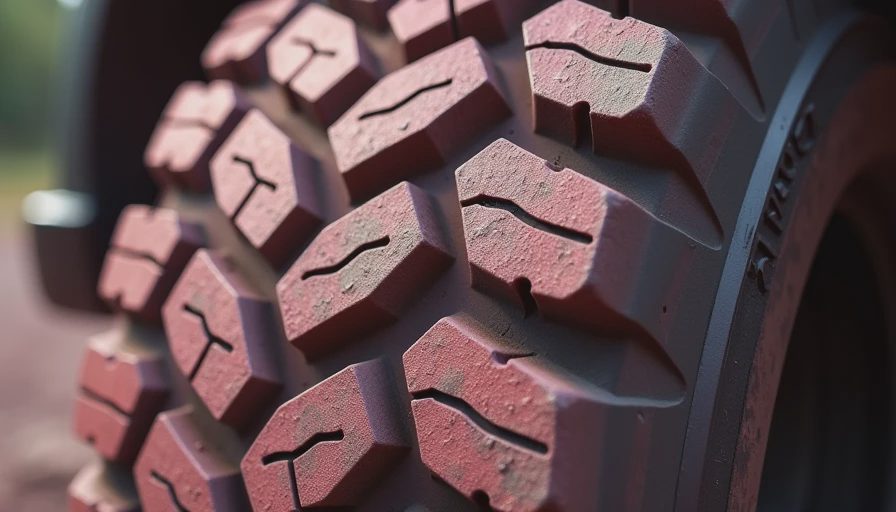
The basic design goal is balanced traction rather than maximum mud performance. The tread blocks have enough spacing to clear gravel and loose dirt, but they remain close enough to run quietly on pavement. That compromise is useful for an overlander who drives four hours to a trailhead and still needs to commute on Monday morning.
On hard-packed forest roads, these tires feel predictable. Steering does not go vague the way it can with a soft, heavily lugged mud tire. On the rocky approach to Schnebly Hill, the important detail is controlled flex. At a sensible air pressure, the tread can conform to rounded rock instead of skipping across it. That does not make the tire indestructible. Sharp shale, exposed rebar-like rock, and careless throttle can still cut rubber.
The cooper discoverer all terrain is also better understood as a traction upgrade for a stock or moderately modified vehicle, not as permission to drive around every obstacle. Ground clearance, axle articulation, recovery points, and driver judgment still matter. Tires help a rig find grip; they do not repair a weak tie rod or replace a recovery plan.
Street manners, rain, and winter use
The AT3 4S is the most street-friendly version in the family. Its road manners make sense for a vehicle that sees school runs, long highway sections, and occasional dirt roads. It is quieter than a dedicated mud-terrain tire, and the tread design is intended to maintain useful contact in wet conditions. That is valuable because many trail rigs spend most of their lives on asphalt, where emergency braking matters more often than crawling over boulders.
The cooper discoverer all terrain range should not be confused with a dedicated winter tire. The 4S name indicates all-season positioning, but all-season rubber is still a compromise on packed snow and ice. In the high country, I would rather have proper winter tires for sustained snow travel than expect an all-terrain tread to perform miracles. For a Southwest rig that sees occasional storms, the design is more practical than a loud mud tire, but pressure and tread depth still determine real-world grip.
Expect highway behavior to change as the tread wears. An all-terrain tire can become noisier when rotations are skipped or alignment is off. Check the inside shoulders, not just the center tread. Uneven wear often points to toe, camber, worn steering parts, or incorrect inflation. Replacing tires without fixing that cause is how a $900 purchase becomes another $900 purchase.
Choosing the right size and load range
Do not choose the biggest available size simply because it fits in a catalog filter. Measure actual clearance at full steering lock and full suspension compression. A tire that clears on level ground can rub the body mount when the suspension stuffs on a ledge. On a lifted 4Runner or Tacoma, wheel offset can create more rubbing than tire diameter alone.
Load range deserves equal attention. A heavier tire can bring a tougher casing, but it can also ride harshly and reduce compliance when aired down. An E-load tire on a lightly loaded SUV may transmit every washboard edge into the cabin. Conversely, a loaded Ram or Land Cruiser towing equipment needs enough capacity for its axle loads. Use the vehicle placard, axle ratings, and actual cargo weight as your starting point, not forum folklore.
For many drivers, the cooper discoverer all terrain makes sense in the original-equipment diameter or one modest step larger. That preserves gearing, braking feel, and spare-tire compatibility. If you increase diameter substantially, account for speedometer error and the possibility that the spare will no longer match the driven tires.
Air pressure and trail behavior
The best all-terrain tire can perform poorly at the wrong pressure. On pavement, begin with the vehicle maker's recommended cold pressure and adjust only after checking tread wear and handling. Off pavement, lower pressure gradually rather than copying a number from someone else's rig. A short-wheelbase Jeep with beadlock wheels, a loaded Tacoma, and a camper-equipped Super Duty do not share the same safe setup.
On a typical gravel road, a small reduction can improve comfort and reduce skittering. On rounded rock, a further reduction may increase the contact patch, but it also raises the risk of debeading or sidewall damage. I carry a real compressor, a pressure gauge I trust, and a plug kit. After airing down, I walk around the vehicle and check for cuts, bulges, and objects between tread blocks. After airing up, I confirm all four tires and the spare before returning to highway speed.
Do not judge trail pressure by softness alone. If the sidewall folds sharply in turns, the pressure is too low for that load and wheel combination. If the vehicle bounces across washboard, pressure may be too high, the shocks may be tired, or both. Tire setup is a system, not a single magic number.
Wear, rotation, and field inspection
Rotate according to the tire maker's pattern and inspect before every remote trip. Look for chunking on the edges of the tread, cuts in the sidewall, exposed cords, and a bulge that was not there last week. A plug in the center tread can be a reasonable temporary repair for a puncture, but a sidewall injury is a different problem. Carry a matching full-size spare when possible; a compact temporary spare is a poor partner for a long backcountry route.
The cooper discoverer all terrain should wear evenly when alignment, inflation, and rotation are handled properly. If the front tires show feathering, run a hand across the tread in both directions and schedule an alignment inspection. If the rear tires are wearing faster, check payload, axle alignment, and suspension condition. Tire rotation cannot hide a bent component forever.
I also mark the date and mileage when a set goes on the truck. That simple note tells me whether a problem is gradual or sudden. It gives a much better replacement decision than judging by appearance at a gas station.
Is it right for your rig?
For a daily-driven pickup, SUV, or overland build that sees pavement, gravel, forest roads, and moderate rock, the cooper discoverer all terrain is a sensible middle-ground candidate. It offers more trail confidence than a highway tire without demanding the noise and fuel penalty of an aggressive mud tire. The AT3 4S suits lighter mixed-use duty, while the LT and XLT versions deserve closer attention from drivers carrying serious cargo.
I would look elsewhere for a rig dedicated to deep mud, competition crawling, or constant sharp-rock work. I would also avoid buying any model based only on a dramatic sidewall photo. Confirm the construction, load rating, tire diameter, wheel width range, and available spare before placing the order.
My rule remains simple: if it has not broken in the backcountry, I do not recommend it. A cooper discoverer all terrain set can earn a place on the right vehicle, but only after matching the model to the load, setting pressure deliberately, and inspecting the rubber like it matters. Out there, it does.