Honda Pilot overlanding starts with accepting what the vehicle is, not pretending it is a 4Runner with a Honda badge. The Pilot is a roomy, comfortable crossover with available all-wheel drive, decent traction management, and enough payload for a practical weekend camp setup. It does not have a low-range transfer case, solid axles, or a frame built for repeated rock crawling. That is not a deal breaker. It simply sets the rules.
For forest roads, desert tracks, beach access roads, and mild-to-moderate backcountry routes, a carefully prepared Pilot can carry two adults, a child, dogs, water, and camping equipment without turning every trip into a mechanical gamble. The winning approach is protection, traction, and recovery planning. The losing approach is bolting on a huge lift and driving into terrain the drivetrain was never designed to handle.
What the Honda Pilot can actually do
Honda Pilot overlanding works best when the route matches the vehicle. Think graded dirt, washboard, loose gravel, shallow ruts, muddy two-track, and rocky sections that can be driven slowly with good tire placement. A Pilot with AWD can distribute power when traction changes, but AWD is not the same as four-wheel drive with a locking center differential and low range. Momentum cannot replace ground clearance forever.
Ground clearance varies by generation, trim, tire size, and suspension condition. Before buying parts, measure the lowest point under your own Pilot with a full fuel tank and normal travel load. Then inspect the factory splash shields, exhaust routing, rear suspension arms, and exposed plastic underbody panels. Those are more likely to cause trouble on a mild trail than a lack of horsepower.
The Pilot's independent suspension provides a comfortable ride and useful road manners, but it also means wheel travel is limited compared with a dedicated trail rig. Keep one tire on firm ground whenever possible. Crossing a diagonal ditch too aggressively can unload a wheel, spin it, and leave the traction system working hard while the vehicle goes nowhere.
Honda Pilot overlanding should also account for payload. A cooler, recovery kit, roof platform, awning, spare tire, water, tools, and passengers add up quickly. Weigh the loaded vehicle at a public scale before a long trip. Staying below the door-jamb payload rating protects braking, handling, tires, and suspension components.
Build order: tires, protection, and recovery
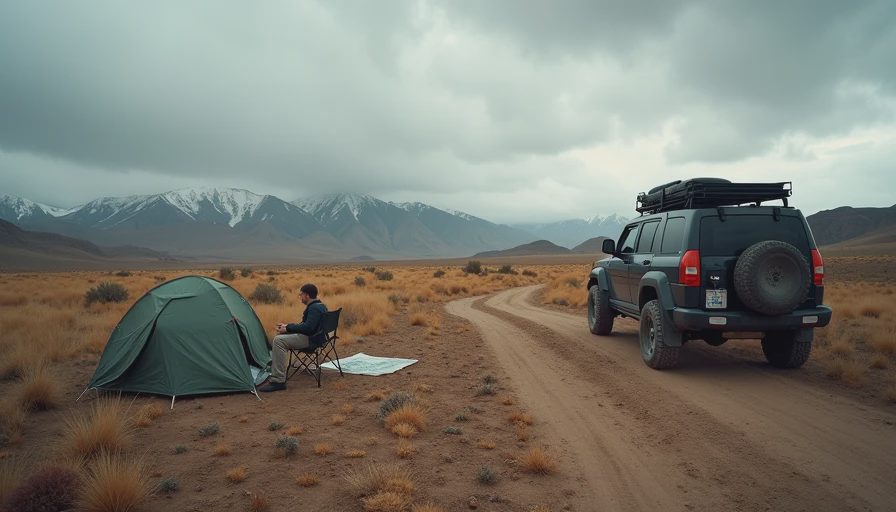
A Honda Pilot overlanding build should begin with tires, not a dramatic lift. Choose an all-terrain tire in a size that fits without rubbing at full steering lock and full suspension compression. Falken Wildpeak A/T Trail, Yokohama Geolandar A/T G015, and similar crossover-oriented all-terrain tires are sensible examples because they balance road noise, wet pavement, sidewall strength, and dirt traction. Confirm load rating and fitment for the exact year and wheel package.
Use a real tire-pressure gauge and learn to air down gradually. On a rough dirt road, dropping pressure modestly can improve ride comfort and grip, but excessive deflation risks unseating a bead or damaging a wheel. Carry a compressor capable of airing all four tires after the trail. A basic 12-volt unit often costs $80 to $180; a stronger twin-cylinder compressor can run $250 or more. Buy the tool that can finish the job before dark.
Next comes underbody protection. A front skid plate, transmission protection, and a fuel-tank shield are more useful than ornamental tube bumpers. Use factory mounting points and inspect them after the first few trips. Plastic panels are inexpensive to replace, but a cracked transmission case is not. A Honda Pilot overlanding setup should preserve the approach angle rather than adding a heavy front accessory that reduces it.
Recovery equipment needs a safe attachment point. A rated recovery point is not the same as a decorative tow hook, and a factory tie-down loop may not be designed for a vehicle recovery. Carry a kinetic recovery rope, soft shackles, a pair of traction boards, work gloves, and a shovel. If another vehicle is involved, agree on the recovery direction before tension is applied. Never use a trailer ball as a recovery point.
Suspension, clearance, and the lift-kit trap
The best Honda Pilot overlanding suspension upgrade is often fresh maintenance. Replace tired struts, cracked bushings, worn sway-bar links, and bent splash shields before chasing extra height. A two-inch lift can provide useful clearance, but it changes alignment, CV axle angles, steering geometry, and sometimes electronic safety-system calibration. The parts need to work together.
Avoid cheap spacer kits with vague hardware and no alignment plan. A modest lift from a reputable manufacturer may cost $800 to $1,800 before installation, alignment, and any required camber correction. That money is wasted if the vehicle develops inner-tire wear or CV vibration halfway through a trip.
A lift also raises the center of gravity. Roof-mounted water, fuel, recovery boards, and a rooftop tent make that effect worse. For most Pilot owners, a ground tent and a compact awning are safer and less expensive than putting a sleeping platform above the roof. Honda Pilot overlanding rewards a low center of gravity because the vehicle is already a tall, family-sized crossover.
Camp systems that do not overload the vehicle
Keep the electrical system simple. A portable power station can run phones, cameras, lights, and a small refrigerator without cutting into the factory wiring. If you install a second battery, use a fused isolator and properly sized cable. Do not connect accessories directly to the battery with an unfused lead because one rubbed wire can turn a camp project into an engine-bay fire.
Store heavy items low and close to the center of the vehicle. Water containers belong on the floor behind the front seats or in the cargo area, not on a high roof basket. A 5-gallon container adds more than 40 pounds when full. Four of them add the weight of another passenger before you pack food, tools, and clothing.
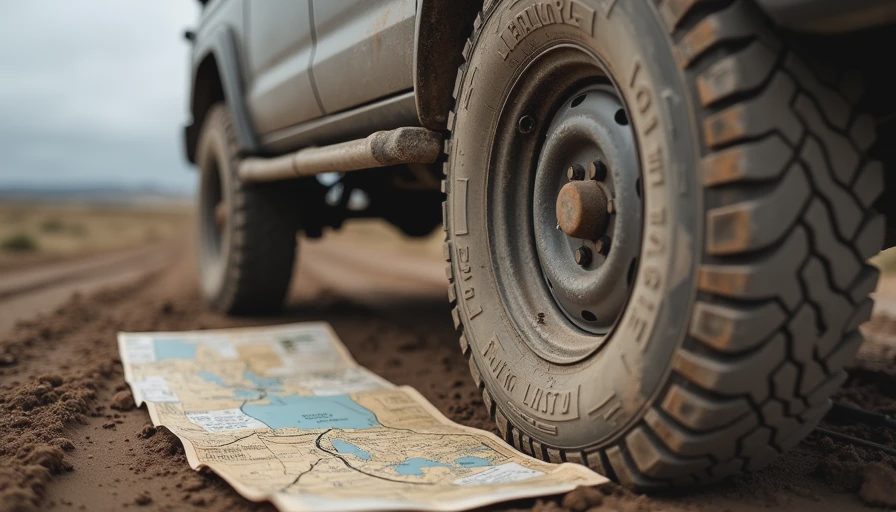
A Honda Pilot overlanding loadout should include a paper map, offline navigation, a first-aid kit, extra water, food for an unplanned night, and a reliable communication method. Cell service disappears quickly in parts of northern Arizona, Utah, and New Mexico. A satellite messenger is more useful than another light bar when the nearest paved road is several hours away.
Insurance and trip planning
Before taking a modified Pilot off pavement, read your auto policy and ask how it treats damage on unmaintained roads, private property, or designated off-road areas. Collision coverage generally addresses damage from a crash, while comprehensive coverage generally addresses events such as theft, hail, or animal strikes. Neither automatically covers every modification or piece of camping equipment. A roof rack, suspension parts, and aftermarket electronics may need declared-value or custom-equipment coverage.
Also check roadside assistance limits. Some plans provide towing only on public, maintained roads, while a recovery from a remote trail can cost several hundred dollars or more. Photograph the vehicle, record part numbers and receipts, and carry the policy contact information offline. That paperwork is boring until a bent control arm leaves you waiting in the dark.
The practical verdict
Honda Pilot overlanding is a good fit for drivers who want comfortable access to campsites and backcountry routes, not extreme obstacles. Spend first on tires, recovery knowledge, protection, maintenance, and a lighter load. Test every change close to home before committing to a remote trip. Drive slowly enough to protect the suspension and use a spotter when the trail turns technical.
A sensible Pilot build can be quiet on the highway, useful for family travel, and capable on the kind of roads most people actually use to reach camp. A Honda Pilot overlanding rig does not need to look aggressive. It needs to start every morning, carry enough water, and get back under its own power. If it hasn't broken in the backcountry, I don't recommend it.