If you want the short version of the Falken Rubitrek review, here it is: this is an all-terrain tire aimed at a driver who spends more time on pavement than on ledges, but still wants real traction when the road turns into washboard, mud, or wet forest track. In the shop and on the trail, I look for three things first: noise, braking, and sidewall manners. A tire can look mean in the parking lot and still feel sloppy at 65 mph. That does not help anybody who has to drive home with a cooler, a dog, and a roof rack full of gear.
Price matters too. In common truck sizes, a set usually lands in the middle of the all-terrain market, often cheaper than the boutique stuff and close enough to the big names that fitment and load rating matter more than logo ink. If you are cross-shopping Falken, BFGoodrich, Toyo, or General, the real question is simple: which one will stay balanced, keep noise down, and survive a couple of ugly miles when the graded road turns to corrugation.
Falken Rubitrek review: where it fits on pavement
On pavement, the thing that stands out is that it does not try to be a mud tire wearing an all-terrain costume. Steering stays predictable, and the tread blocks do not howl like a cheap aftermarket exhaust once the speed climbs. In a full-size SUV or a midsize pickup, that matters. Most readers are not building a show truck. They are commuting during the week and dragging a trailer, gear, or a family camp setup on the weekend. The tire needs to behave when the radio is low and the highway miles are long.
In my Falken Rubitrek review notes, the biggest win on pavement is balance between grip and civility. You still get the compromises that come with a real tread pattern, but the tire does not punish you for choosing dirt-road capability. Dry braking feels normal rather than vague. On wet blacktop, it is not a magic trick, but it is more confidence than a lot of cheap all-terrains give you after 15,000 miles. If you are used to an LT tire that feels like a brick, this one will feel easier to live with.

Dirt, gravel, and light snow
Once the pavement ends, the tire makes more sense. On graded forest roads, it tracks clean and does not skate around every loose rock. That is the kind of behavior that keeps the steering wheel from getting busy on a long approach road. On washboard, the carcass feels controlled enough that the truck does not start hunting every time the corrugation gets ugly. It is still a tire, not a suspension fix, but a decent casing helps more than people admit when they are standing in the driveway pointing at shocks they have not replaced in 90,000 miles.
For light snow and cold weather, the tread pattern looks like something a mountain-state driver would actually want. I am not talking about deep powder or icy passes with chains involved. I am talking about the kind of slop that shows up on a January morning in northern Arizona, Utah, or the Front Range. This is where the tire earns its keep for a lot of rigs: enough bite to keep moving, enough manners to drive home without feeling like you bought a compromise you have to apologize for.
Sizing, wear, and pressure
Fitment is where people waste money. The right size depends on load index, wheel width, and whether you are trying to clear a tight fender at full stuff. A 265/70R17 is a common sweet spot for midsize trucks and SUVs because it keeps gearing reasonable and usually avoids the headache of overbuilding the rest of the truck. Step up too far, and you can chase the problem with a regear, trimming, or both. That is not the tire's fault. That is a planning issue.
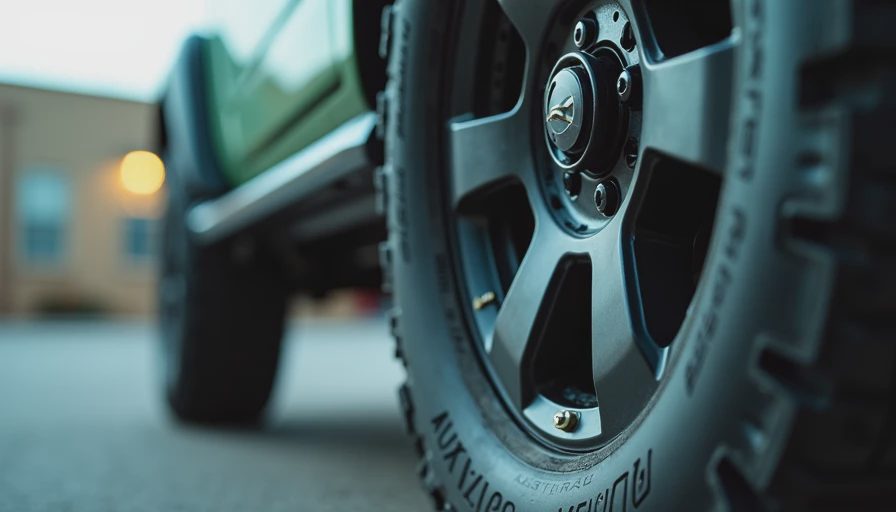
Wear is another place where honest expectations matter. An all-terrain tire will usually outlast a soft, aggressive hybrid tread if you rotate it on time and keep the alignment square. Skip rotations and let the edges feather, and no tire review saves you. A good starting pressure is whatever puts the contact patch where you need it on your exact rig, but on trail runs I often see people run too much air for dirt. A few pounds out of the tires can calm the ride and help traction without turning the sidewalls into mush. Check them cold, not after an hour on the interstate.
Where the Falken Rubitrek review lands for buyers
If your week is mostly highway, school runs, job sites, and grocery-store pavement, this tire makes sense because it does not demand a sacrifice every time you drive it. If your weekends are mostly Mojave Road, forest service tracks, dispersed camps, and the occasional mud pit after a storm, it gives you enough dirt manners to justify the purchase. If you are building a rig for rock gardens first and commuting second, I would look harder at a more aggressive tread. This one is for the driver who wants a practical tire that still knows how to get dirty.
That is the short version from a shop-floor and trail-seat point of view. It is not the loudest tire, not the most aggressive tire, and not the one I would choose for a dedicated crawler. It is the kind of tire I like on a rig that has to leave camp under its own power and then drive 300 miles home without drama. If that is your use case, put it on the shortlist. If it has not broken in the backcountry, I do not recommend it.