Choosing the best overland rooftop tent for two people is not about finding the largest sleeping platform or the tent with the most clever marketing. It is about matching the tent to your vehicle, your weather, and the kind of roads you actually drive. A tent that feels luxurious in a dealership lot can become a heavy, rattling liability after three days of washboard and crosswinds.
I have spent enough nights on desert rock and forest roads to care about three things first: whether the shell stays shut, whether the ladder remains solid, and whether two people can get packed up without arguing before coffee. If the tent adds unnecessary weight up high, takes twenty minutes to close, or leaks at the first hard storm, it does not belong on a serious travel rig.
What two people actually need in a rooftop tent
For two adults, a sleeping area around 48 to 56 inches wide is usually workable. The wider end feels much better if one person is tall, broad-shouldered, or brings a dog. Length matters just as much. A platform near 80 inches lets most adults sleep without pressing their feet into the fabric, while shorter tents save weight but create cramped corners.
The best overland rooftop tent for two people should also have a mattress you can leave inside with bedding. That sounds minor until a storm rolls in at midnight. A 2.5-inch high-density foam mattress is a useful minimum, but ventilation under it matters more than marketing claims about luxury. Look for a removable cover, breathable fabric, and enough room for condensation to escape.
Weight is where many buyers make an expensive mistake. A tent weighing 150 pounds sits high above the vehicle and increases the load on the roof rack, mounts, and suspension. A 100-pound tent is easier to install, easier to remove, and less noticeable on narrow off-camber trails. Confirm your vehicle's dynamic roof-load rating, which applies while driving, and do not confuse it with the much higher static rating used when parked.
Hard shell or fold-out: the decision that matters
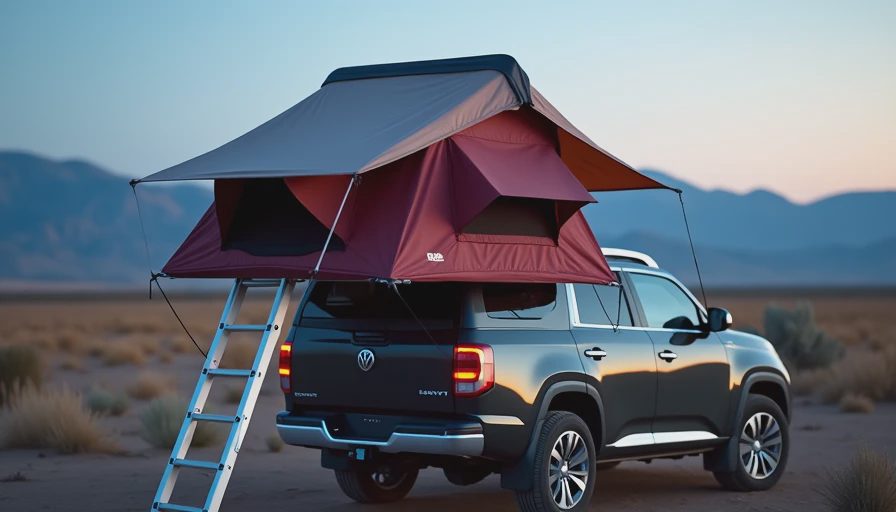
A hard-shell tent opens quickly and usually handles wind better. The iKamper Skycamp 3.0 is a strong example because its clamshell-style setup gives two people a generous sleeping area without requiring much rearranging. It is not the lightest choice, but the rigid shell protects the tent during highway travel and makes daily packing less frustrating.
A fold-out tent can provide more floor space for less money. The tradeoff is a larger footprint when open and more fabric to dry after rain. Budget-friendly models from Smittybilt and similar brands can work for occasional trips, but I pay close attention to hinge hardware, ladder flex, and the quality of the travel cover. Those are the pieces that suffer when a vehicle spends hours on corrugated roads.
For many couples, the best overland rooftop tent for two people will be a hard shell if the budget is available. A quality hard shell often costs roughly $2,500 to $5,000, while a basic soft-shell tent can land near $1,000 to $2,000. The cheaper option is not automatically a bad option. It simply demands more patience during setup, drying, and maintenance.
My practical shortlist for real overland use
The iKamper Skycamp 3.0 is my all-around pick when interior room and fast setup matter more than minimum weight. It gives two adults space to change clothes and store a small amount of soft gear inside. The tradeoff is its price and substantial roof load, so it belongs on a properly mounted rack, not thin factory crossbars.
For a lighter hard-shell approach, the Roofnest Falcon is worth examining. Its low profile helps reduce wind noise and keeps the center of gravity lower than many bulky tents. The sleeping area is more compact, so measure your body length and sleeping habits before buying. It suits travelers who spend more time moving between camps than lounging inside the tent.
The Alu-Cab Gen 3-R is another serious option for people who prioritize build quality and weather protection. It is designed around tough use, but it is also expensive and not especially light. The best overland rooftop tent for two people is not necessarily the one with the thickest aluminum or the highest price. It is the one your rack, vehicle, and travel routine can support without compromise.
I would also look at 23Zero's fold-out models when interior space and value are priorities. Inspect the ladder attachment, zipper operation, rainfly seams, and mounting rails in person if possible. A tent can have excellent fabric and still fail because one small bracket bends or a zipper fills with grit.
Mounting, setup, and the parts that fail
Use four properly sized mounting points whenever the tent design allows it. The rack should be supported close to its strongest mounting locations, and the hardware needs to be tightened evenly. I use threadlocker where the manufacturer permits it, then mark bolt heads with a paint pen. A broken or shifting mark tells me something moved before the problem becomes a loose tent on the highway.
Before the first trip, open and close the tent at home at least five times. Practice with sleeping bags, pillows, and the ladder fully extended. Check that the fabric does not pinch in the hinges and that the cover or shell latches without force. If you have to lean your full weight on it to close, something is packed wrong.
Carry spare mounting nuts, washers, a short socket, and a roll of repair tape. I also keep seam sealer and a small section of webbing in the recovery box. These items cost little and can turn a damaged strap or small fabric tear into an inconvenience rather than a forced hotel bill.
Weather, condensation, and daily comfort
Cold desert nights expose weak ventilation quickly. Two people breathing inside a sealed tent create condensation, even when the tent itself is waterproof. Leave roof vents open during ordinary weather, use the window awnings for crossflow, and never pack wet fabric into its travel cover for several days. Open the tent at the next sunny stop and dry it completely.
For summer trips, a light-colored shell and large screened windows help more than decorative interior pockets. In heavy rain, make sure the ladder side and hinge area are protected by the rainfly or shell design. In strong wind, lower the awnings and close exposed windows. The goal is not comfort at any cost; it is preventing a small weather problem from becoming damaged bedding and a soaked mattress.
Final buying check before you spend
The best overland rooftop tent for two people should pass a simple garage test. Measure the closed height and confirm it will clear your garage door. Weigh the tent, rack, bedding, and mounting hardware together. Compare that number with the vehicle's roof-load limits and the rack maker's specifications.
Then check the warranty, replacement ladder parts, hinge access, and availability of seals. Ask how long the tent takes to close when it is cold, dusty, and fully packed. If a salesperson cannot answer, assume you will discover the answer on your own at camp.
My short answer is the iKamper Skycamp 3.0 for roomy, repeatable two-person travel, with a lighter hard shell such as the Roofnest Falcon for drivers watching roof weight. A carefully chosen 23Zero soft shell remains a sensible value pick. Buy the tent that fits your rig and habits, not the one that wins a parking-lot beauty contest. If it has not broken in the backcountry, I do not recommend it.