The 96 jeep grand is usually shorthand for the 1996 Jeep Grand Cherokee, the ZJ-generation rig that still shows up at trailheads, swap meets, and Craigslist searches. It is old enough to be cheap, simple enough to repair in a driveway, and capable enough to embarrass newer crossovers when the road turns into rocks. It is also nearly 30 years old. That means you are buying condition, not just a badge on the grille.
I spent years putting lift kits, lockers, and replacement axles under these Jeeps. The good ones can be excellent trail rigs. The neglected ones turn a $2,500 purchase into a $7,000 recovery exercise before the first camping trip. Start with the inspection, then decide whether the platform deserves your money.
Which 1996 Grand Cherokee configuration makes sense?
The 1996 model was available with the familiar 4.0-liter inline-six, a 5.2-liter V8, and several four-wheel-drive systems. For a buyer looking at a 96 jeep grand as a practical trail build, the 4.0 is usually the easiest place to start. It is not fast, but parts are common, the engine bay is straightforward, and a healthy example can run for a long time with ordinary maintenance.
The 5.2 V8 has useful torque and sounds better than it needs to, but fuel consumption and cooling-system condition matter. A V8 with a neglected radiator, brittle hoses, or a tired fan clutch can overheat on a slow climb. The 4.0 can overheat too, so do not treat the engine choice as a substitute for inspection.
Four-wheel-drive hardware deserves its own look. The NP231 transfer case is generally simple and offers a useful part-time low range. The NP249 system can work well, but its viscous coupler is a known wear item. During a tight, slow turn on dry pavement, binding or hopping can point toward trouble. A replacement coupler or rebuilt transfer case can quickly cost more than the Jeep.
Inspect the unglamorous parts first
Walk around the vehicle in daylight. Look at the frame rails, suspension mounts, steering box area, floorboards, and rear cargo floor. Surface rust is manageable. Flaking metal around a control-arm mount is a different conversation. Bring a small magnet, flashlight, and screwdriver. Fresh undercoating can hide repairs, so tap suspicious areas rather than admiring a black finish.
On a 96 jeep grand, check the doors and tailgate for sag, then inspect the windshield frame and roof seams for water entry. Lift the carpet if the seller allows it. Damp padding often means a leak that has been slowly feeding floor rust. Water under the driver-side carpet can also create electrical problems, and chasing old electrical gremlins is a poor use of a Saturday.
Start the engine cold. A seller who already warmed it up may be hiding hard starting, smoke, or a noisy valvetrain. Listen for exhaust leaks near the manifold, watch the oil-pressure gauge, and look for coolant residue around the radiator and water pump. During the test drive, the transmission should shift without a sharp bang, flare, or delayed engagement.
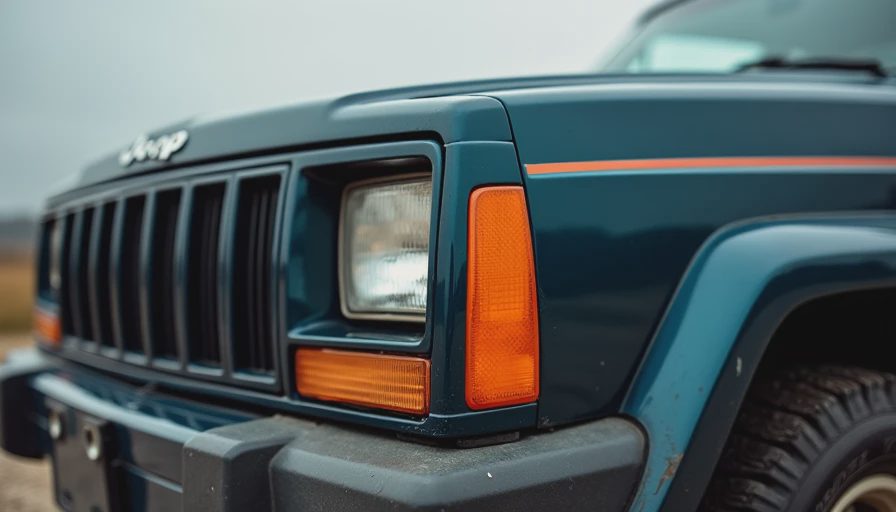
Check the axles, steering, and suspension before adding lift
Most stock ZJs use a Dana 30 front axle and either a Dana 35 or Chrysler 8.25 rear axle, depending on configuration. They are adequate for moderate tires and sensible driving. They are not magic shields against throttle and oversized tires. A 35-inch tire, deep gearing, and a heavy right foot can turn an otherwise usable axle into scrap.
Jack up the front end safely and check for movement at the ball joints, unit bearings, tie-rod ends, and track bar. Have a helper turn the steering wheel while you watch each joint. If the track bar shifts at its mounting bolt, do not blame every wobble on tire balance. Death wobble is a symptom, not a single part, and worn steering or suspension components need to be found systematically.
Look closely at the leaf-free coil-spring suspension. Sagging coils, cracked control-arm bushings, and leaking shocks are common on neglected examples. A modest two-inch lift with good geometry is more useful than a cheap six-inch kit. If the Jeep will carry camping gear, recovery equipment, and a roof rack, account for that weight before choosing springs.
What I would repair before the first trail day
On a 96 jeep grand, reliability work comes before accessories. Replace unknown fluids, inspect the brake lines, service the cooling system, and verify that the fan clutch and electric auxiliary fan work. Change transfer-case and differential fluids using the correct specifications. Check the serpentine belt, battery cables, grounds, and every vacuum hose you can reach.
I would also carry a spare serpentine belt, upper and lower radiator hoses, fuses, a tire plug kit, and enough tools to remove a wheel and repair a loose electrical connection. A compact air compressor is more useful than decorative light bars. Before a remote trip, test the spare tire, jack, tow points, and recovery strap. A shiny bumper with weak mounting bolts is just extra weight.
If the Jeep has an automatic transmission, inspect fluid condition and service history before adding bigger tires. Larger tires increase strain and can make an old transmission show its age. Keep the build conservative until the drivetrain proves it can handle heat, load, and low-speed work.
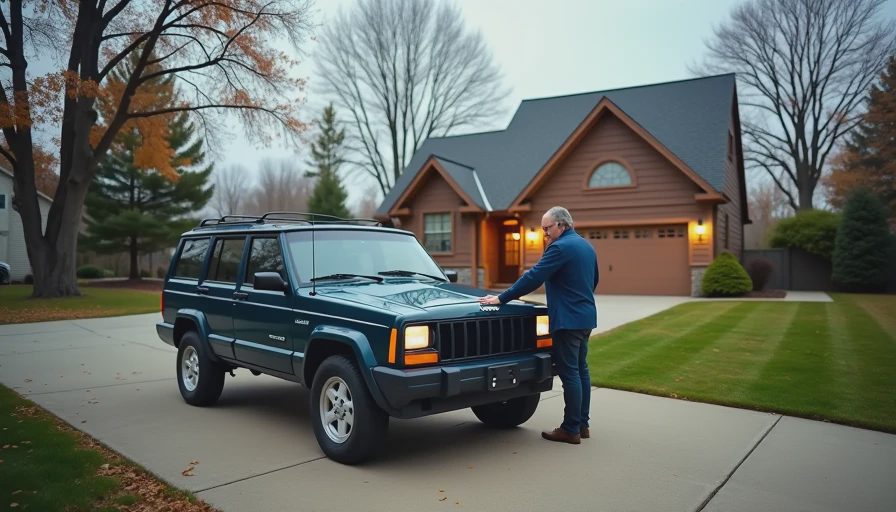
Budgeting for a usable trail rig
The purchase price is only the first line on the worksheet. A running 96 jeep grand with a clean body may look inexpensive at $2,500 to $5,000, but tires, brakes, fluids, belts, steering joints, and cooling repairs can add $1,000 to $3,000 quickly. A neglected example can exceed the price of a cleaner Jeep before it ever receives a locker or winch.
Set aside money for recovery gear and protection before chasing horsepower. Skid plates, rock sliders, a full-size spare, and reliable communication equipment keep small mistakes from becoming expensive evacuations. A used quality suspension component is often a better purchase than a new bargain part with no proven trail record.
Tell your insurer about major modifications and confirm how collision, comprehensive, liability, and off-road recovery are handled. Standard policies can treat trail damage, accessories, or recovery costs differently. Get the coverage details in writing before a trip, especially if the Jeep is financed or carries expensive equipment.
The sensible buying decision
A clean 96 jeep grand with a healthy cooling system, tight steering, working four-wheel drive, and manageable rust is worth building slowly. A rough body with drivetrain noise is not automatically a bargain. Bring a scan tool, inspect underneath, and pay for a professional pre-purchase inspection if you cannot evaluate the suspension and transmission yourself.
My preferred build starts with maintenance, modest all-terrain tires, recovery points, and protection underneath. I would rather drive a mechanically sound Jeep on a difficult forest road than a tall rig that spends the day waiting for a tow. The platform has real strengths, but age removes the margin for neglect.
Before handing over cash, drive the 96 jeep grand at highway speed, crawl it through a tight turn, test four-wheel drive on an appropriate surface, and recheck for leaks afterward. If the seller refuses a cold start or underbody inspection, walk away. There will always be another ZJ. If it hasn't broken in the backcountry, I don't recommend it.