When a truck is sunk to the axles and the only clear exit is backward, a tow hitch winch mount can turn a bad day into a long but controllable recovery. I have used one when the front end was boxed in by brush, when a trailer tongue needed to be dragged sideways, and when a rig had no permanent winch yet but still needed real recovery gear. It is not a magic trick. It is a receiver-mounted tool that buys flexibility, and it only works if the hitch, the winch, and the wiring are all up to the job.
That flexibility is why I keep one around the shop. A fixed bumper winch is great when you have a dedicated build, but expedition rigs change. One month the rear carrier is on, the next month it is off for a family trip with less weight hanging off the nose. That hitch-mounted setup lets you move the winch between rigs, keep it dry in the garage, and use the same tool on a beater trail truck or a tow rig. I have also seen it make sense for a driver who does not want the winch exposed to road salt and winter grime every day. The catch is simple: if your receiver is sloppy or your electrical system is weak, the convenience disappears fast.
What fails first in the field
The first thing that usually fails is not the winch motor. It is the hardware around it. Thin receiver plates flex, sloppy hitch pins rattle, and bad welds crack where the vertical load meets the horizontal pull. That is why I don't trust a tow hitch winch mount built from thin steel and good intentions. If the cradle twists under load, the fairlead goes out of line and the rope starts sawing itself across the edge of the plate.
The second problem is voltage drop. A 12,000-pound winch pulling hard can want a lot of current, and the longer the cable run, the more heat you make before the drum even turns. On the trail, that shows up as slow line speed, hot terminals, and a motor that smells like burnt varnish. Once that smell shows up, stop and let it cool.
How to set one up so it stays put
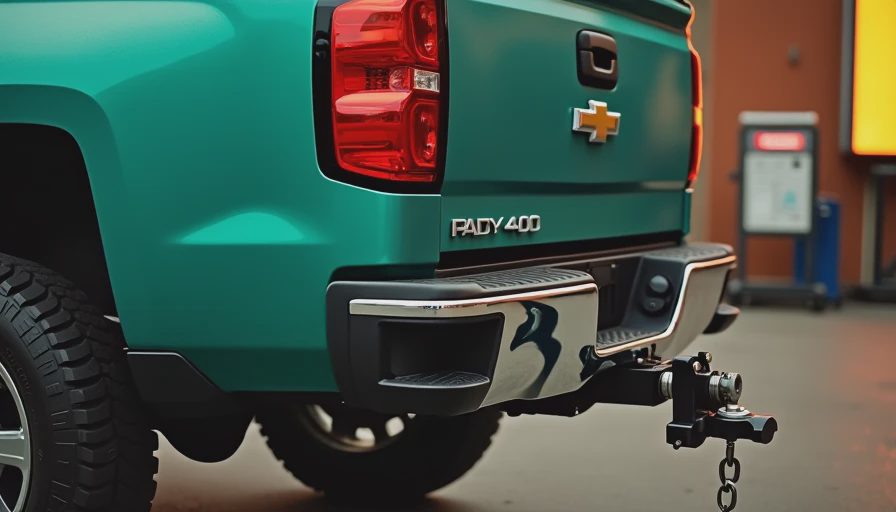
If you want the setup to survive washboard and a real pull, start with a 2-inch receiver that is actually rated for the job and stays tight in the tube. A class III or class IV receiver is common, but the fit matters more than the badge. The hitch pin should lock the carrier without visible slop, and the winch plate should be bolted with proper grade hardware, not whatever came loose in the coffee can.
A tow hitch winch mount should feel like one solid unit, not two pieces trying to negotiate. Check the fairlead height, keep the drum centered, and make sure the rope does not rub the bumper or the spare tire. If you are running synthetic line, keep it clean and dry because mud and grit work into the fibers. Steel cable is tougher to handle and heavier to carry, but it tolerates abuse better when the weather turns ugly.
Recovery jobs it handles well
This setup shines on short, controlled recoveries. Think rear extraction in mud, pulling a trailer tongue back onto the track, or easing a truck away from a washout where a strap keeps skipping off the ground. That is where a tow hitch winch mount earns its keep. You are not trying to win a tug-of-war. You are trying to move a stuck vehicle a few feet at a time with enough control to keep someone out of the path of the line.
The routine is plain. Chock the wheels, clear the area, use a tree saver when you have a solid anchor, and throw a damper on the line. If the pull angle gets ugly, reset instead of forcing it. A snatch block can cut the load in half and make the whole job easier on the receiver and the battery.
When a fixed mount beats the portable option
That said, there are jobs this tool should not be asked to do. If you live on long solo routes, pull heavy rigs every weekend, or spend your winters in deep snow, a permanent front winch usually makes more sense. It is already there, already wired, and already braced for repeated work. A portable setup can still be the right buy for a garage with multiple rigs, but if you know the winch will be used a lot, the extra time spent moving it around gets old.
I think of it as a mismatch problem. If the recovery is occasional and the truck changes roles, the portable mount is smart. If the recovery is constant and the truck is dedicated, bolt the system down and move on.
Before any trip, I test the whole setup in the driveway. Run the winch under a light load, check that the receiver does not clunk, and look for paint flakes or fresh metal at the welds. If the cable spools unevenly, fix it before the trail does the teaching. I also keep the battery topped off and the terminals clean, because a weak electrical system turns a good winch into dead weight. On expeditions, I carry gloves, a dampener, a tree saver, and a couple of rated shackles in the recovery bag. None of that is fancy. It just keeps the job controlled when the weather is bad and patience is low.
The mistakes that cost real money
The expensive mistakes are usually boring. People buy a pretty carrier that hangs too low, then it drags in ruts before the line even gets tight. Others skip the battery check and blame the winch when the real issue is a tired battery or undersized cables. I have also watched a loose hitch pin turn a controlled pull into a hammering mess that chews the receiver tube.
A tow hitch winch mount is not the place to save fifty bucks on steel. If you are shopping, expect a decent cradle in the $120 to $250 range, then budget more for the winch, rope, and electrical pieces. Cheap hardware can work once, and once is not a field test. If the mount flexes by hand in the driveway, it will not get better in the mud.
My field verdict for trail rigs
For a lot of trail rigs, this is the smartest way to add recovery ability without committing to a full bumper build. It is especially useful when you need flexibility across more than one vehicle or you want the winch to stay inside until the trail gets ugly. Buy once, inspect the welds, keep the wiring stout, and test the whole setup before you leave pavement. If it has not been dragged through dirt, mud, and a cold night on the trail, I do not call it ready. If it hasn't broken in the backcountry, I don't recommend it.