An open road winch is not a trophy piece. It is the thing that gets used when a two-track turns to clay, a ledge eats traction, or a buddy buries a rear tire to the axle at mile marker 18. I have watched more recoveries fail because of weak mounting, bad wiring, or a junk strap than because the winch itself was undersized. If you are shopping for an open road winch, start with the rig around it, not the sticker on the box.
What the rating actually needs to cover
The first number people chase is line pull, and that matters, but only after you match the winch to the vehicle. The old rule of thumb is 1.5 times vehicle weight. For a Jeep Gladiator, Tacoma, or 4Runner that has armor, sliders, a roof tent, and a full water setup, that often pushes you into the 9,500- to 12,000-pound range. A lighter rig can live with 8,000 pounds, but if you pack heavy or run big tires, room to spare is cheap insurance.
I also look at rope choice. Synthetic rope is lighter, easier on hands, and less ugly when it parts. Steel cable still has a place on work rigs that live hard and see abuse, but for most trail trucks, synthetic is the smarter buy. Figure $250 to $500 for bargain hardware that will get you out once in a while, $600 to $1,000 for solid midrange gear, and more if you want a premium sealed unit with better controls and better parts support. Warn is still a benchmark, and Smittybilt, Superwinch, and similar brands fill out the budget and middle of the market.
A clean spool, a real brake, and a waterproof contactor matter more than shiny badges. If the fairlead, hook, and remote feel flimsy in the hand, that feeling usually gets confirmed in the dirt.
Mounting and power are where most bad installs die
A winch can be a good unit and still become trail scrap if it is hanging off a thin bumper or fed by weak power. I want a mount that ties into the frame, not just sheet metal, with proper hardware and no drama around bolt holes. For cable size, many 12-volt winches want heavy wiring, often 2 AWG or larger depending on cable length and current draw. If the battery is far from the bumper, voltage drop turns a strong winch into a slow one. Slow is fine until you are sideways in mud and daylight is leaving.
That is why an open road winch should be part of a system: battery, alternator, breaker or fuse where the manufacturer calls for it, and a switch or wireless remote that actually works when your hands are cold. A dual-battery setup is helpful on expedition rigs, but I have recovered plenty of trucks with a single good battery and tidy cabling. The point is not to overbuild everything. The point is to avoid feeding a recovery tool with starter-cable leftovers from a parts bin.
If you are paying a shop, budget another $200 to $600 for wiring, mount hardware, and recovery points. That is cheaper than replacing a smoked contactor on the side of a wash.
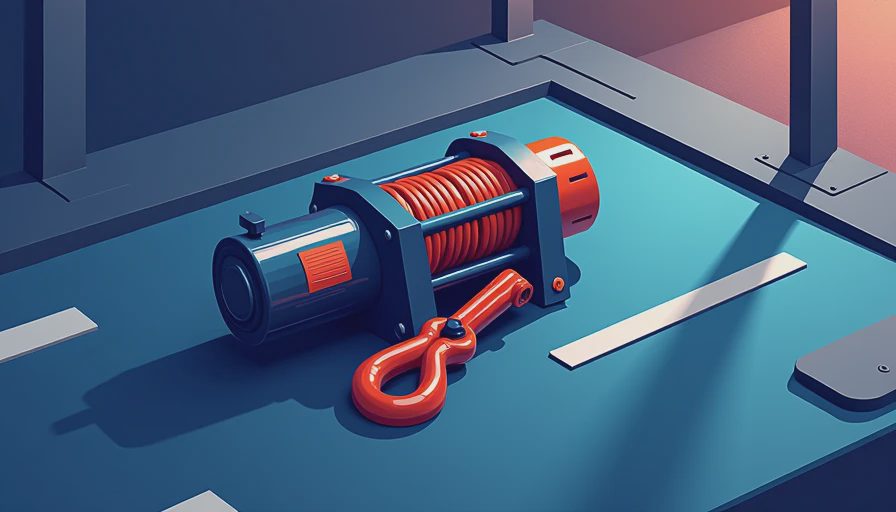
Use the right recovery gear or the winch pays the price
A lot of people think the winch is the whole show. It is not. The line should attach to a tree saver, a rated shackle, or a proper recovery point, not a random tow ball or a bumper tab that looks tough in a parking lot. I keep a dampener in the kit because line snap is rare, but when it happens, it is ugly. A soft shackle and a rated snatch block are worth their space if you know how to rig them. They let you change direction, double line for more pulling power, and keep the load on hardware that was built to take it.
I treat an open road winch like a laborer, not a magician. It pulls straight, it hates side load, and it does not like heat. Short pulls are better than one long grind. If the truck is barely moving, stop, let the motor cool, and reset the line if it is piling up on one side of the drum. That little bit of discipline keeps the motor alive and saves the cable from digging in like a bad spool of garden hose.
What broke on my side of the trail
On a rocky high-desert run outside Flagstaff, I watched a truck with a shiny new winch fail on the first real pull because the installer used undersized power cable and cheap battery terminals. The winch was not the villain. The current path was. The driver had a good bumper, a decent hook, and a brand-new line, but the voltage at the drum collapsed under load. The line inched forward, then the contactor got hot enough to smell, and the recovery stopped while three other rigs dug holes trying to help.
That is the kind of failure I file in the Parts Graveyard. Not because the winch was junk, but because the system around it was half-done. When I talk about buying an open road winch, this is what I mean: spend money where the load actually travels. If the bumper mount flexes, the wire is thin, or the recovery points are fake, the best winch on the shelf still ends up as a paperweight.
Maintenance after dust, water, and a long pull
Trail use is hard on a winch even when nothing looks damaged. After a wet recovery, I unspool the line, wipe off grit, and respool it under light tension so it layers evenly. Synthetic rope needs a look for fuzzing, cuts, and flat spots. If it has been dragged across sandstone or buried in mud, I inspect the first few feet carefully because that is where the damage starts. A bent hook, cracked thimble, or rusty fairlead roller is a warning, not decoration.
The electrical side needs the same attention. Check the terminals, the remote plug, and the contactor for heat discoloration. A winch that works in the garage but drags on the trail usually has corrosion, bad grounds, or a battery that is already tired. I also cycle mine once in a while before a trip, because gear that sits for six months and then gets asked to do a real job is how people earn a walk out.
How I would shop today
If I were putting one on a rig this week, I would shop in this order: mount quality, electrical path, rope type, then brand name. I would not buy the biggest number I could afford if the bumper was flimsy or the parts support was weak. I would rather run a well-mounted 9,500-pound unit than a sloppy 12,000-pound setup that cooks itself on the first mud hole. For most overland trucks, that means spending in the middle of the market and leaving enough budget for proper recovery points, a tree saver, a pair of shackles, and a damper.
An open road winch is only worth what the rest of the system can support. Build the mount right, wire it clean, carry the right recovery gear, and keep the line inspected. Do that, and the truck gets a second chance when the trail stops being generous. If it hasn't broken in the backcountry, I don't recommend it.