Hybrid terrain tires sit in the middle lane between an all-terrain and a mud tire, and that is exactly why people get them wrong. On paper they promise quiet highway miles, a little rock grip, and enough bite for dirt roads. In the real world, hybrid terrain tires make sense when a rig spends most of its life on pavement but still sees sharp rock, graded washboard, muddy trailheads, and the occasional week-long trip. If you are hauling a rooftop tent, fridge, water, and recovery gear, the tire choice matters more than the sticker on the bumper. I have watched good rigs get ruined by the wrong carcass and the wrong size.
Where they fit in the real world
I see hybrid terrain tires on half-ton pickups, 4Runners, Tacomas, Broncos, and Gladiators that commute Monday through Friday and run forest roads on weekends. The usual price for a decent set is about $1,000 to $2,400 mounted and balanced, with larger 35-inch E-load sizes landing on the high end. Falken, Toyo, Nitto, Goodyear, BFGoodrich, and Cooper all sell versions that wear the hybrid label or sit close to it. The label matters less than the construction. A C-load tire will ride softer and usually weigh less. An E-load tire will carry more weight and shrug off a loaded rear bumper, but it will not feel as lazy over potholes. If the truck is empty most of the time, the lighter option usually makes more sense.
The big mistake is buying tread for a fantasy trip instead of the route you actually run. A full mud tire is overkill for a rig that spends 90 percent of its life at 70 mph on Interstate 17. A standard all-terrain can be the smarter buy if you want longer tread life, better wet braking, and less drone. Hybrid terrain tires are for the driver who wants more shoulder bite than a basic A/T without accepting the loud howl and squirm of a full mud pattern. That compromise is useful, but only if you accept the trade instead of arguing with it.
What the tread is telling you
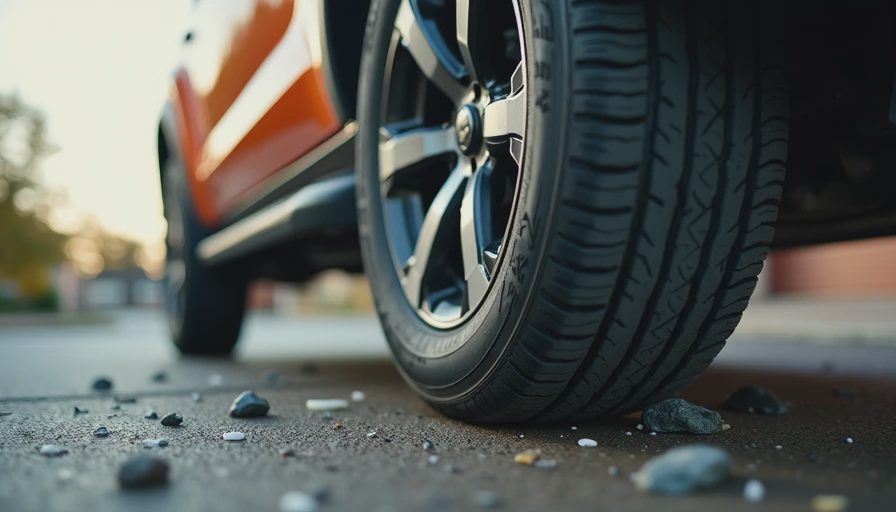
The tread blocks tell the story before the sidewall does. More open voids usually mean better self-cleaning in loose dirt and sloppy clay, but they also mean more hum on pavement and faster wear if the compound is too hard. More siping helps in rain, cold mornings, and packed gravel, though it can make the blocks move around a little when the tire is new. If the shoulder lugs look tall but the center lugs are narrow, expect a tire that likes airing down and trail work more than long freeway slogs. If the tread looks tightly packed, expect better road manners and less bite in deep mud.
On the shop floor, hybrid terrain tires are the ones I compare by construction before I compare by brand name. Load range, speed rating, and actual tire weight matter. A heavier tire can feel planted, but it also adds unsprung weight and can make a suspension work harder on washboard. A lighter version may steer quicker, yet it can give up sidewall toughness when the truck is loaded down with camping gear. For a build that sits on 17-inch wheels, I also check spare tire clearance, bead profile, and whether the tire will fit the undercarriage without a wrestling match at camp. The wrong spare is just a future tow bill.
Pressure, rotation, and wear
Pressure matters more than logo on hybrid terrain tires. Start with the door placard on pavement, then adjust based on load, temperature, and what the truck is carrying that week. For a light SUV, I usually see comfort and wear settle in once the tire is close to the factory spec. For a loaded overland rig, a few extra pounds can keep the sidewall from rolling over in quick turns. Off pavement, dropping pressure helps the tire conform to rock and sand, but you still need enough air to protect the wheel and keep the bead seated. There is no prize for running the tire flatter than necessary and chewing up a $350 carcass on one sharp ledge.
Rotation is the part people skip and then blame the tread for. Every 5,000 to 6,000 miles is a good rhythm if the rig sees mixed use. Check the front shoulders for feathering, the rear tread for cupping, and the inside edges for alignment drift. If one tire is wearing twice as fast as the rest, the answer is usually not a different brand. It is caster, toe, tire pressure, or load balance. After a dirt trip, I look for sliced side lugs, pebble packing, and any spot where the rubber picked up a bruise from rock. That is where the field tells you whether the tire is actually durable or just looks rugged in a parking lot.
When not to buy them
If your weekends are deep mud, clay, or icy mountain passes, this is not the miracle answer. A mud-terrain clears itself better in gumbo, and a dedicated winter tire is a different animal altogether. If your rig lives on pavement and only touches dirt for a campsite access road, a quieter all-terrain will usually save money and last longer. The compromise tire pays off only when the miles are split enough that one set has to do two jobs.
That is where hybrid terrain tires earn their keep. The sweet spot is a driver who wants a better trail shoulder than a standard A/T, a cleaner highway ride than a mud tire, and enough strength to carry real gear without flirting with sidewall drama. If you are pricing a set now, get quotes for your exact size, load range, and wheel diameter, because a 33-inch C-load and a 35-inch E-load can live in different universes. If it hasn't broken in the backcountry, I don't recommend it, and the same goes for tire choices: buy for the route you actually drive.