A hitch mounted winch sounds perfect on paper: bolt it into your receiver, grab the wireless remote, and you've got 12,000 pounds of pull without touching your front bumper. I've spent six years guiding overland trips out of Flagstaff and watched a lot of guys show up with one of these. Some work exactly as advertised. Some end up in my Parts Graveyard. This is what the trail taught me.
What a Hitch Mounted Winch Does Well
The obvious use is rear recovery. If you're stuck facing uphill with the front axle in a rut, a rear winch pulls you back the way you came, which is often the smarter line. I used a hitch-mounted unit to drag a loaded Land Cruiser out of a washout on the Mogollon Rim. We rigged a snatch block to a juniper and ran the line back to a frame crossmember. The truck came out clean in ten minutes.
It's also the easiest way to add winch power to a rig you don't drive daily. The whole assembly slides into a 2-inch receiver and locks with a pin. Swap it between your truck and a buddy's Jeep. That flexibility is why many overlanders start here instead of dropping $1,500 on a permanent front bumper winch.
The downside appears when you need a front pull. A rear-mounted winch can't help when the nose is buried in a snowbank or hanging over a ledge. You can route cable around with a snatch block, but that creates geometry problems. I've watched drivers spend twenty minutes rigging a multi-block pull that a front winch would solve in two.
What Actually Breaks
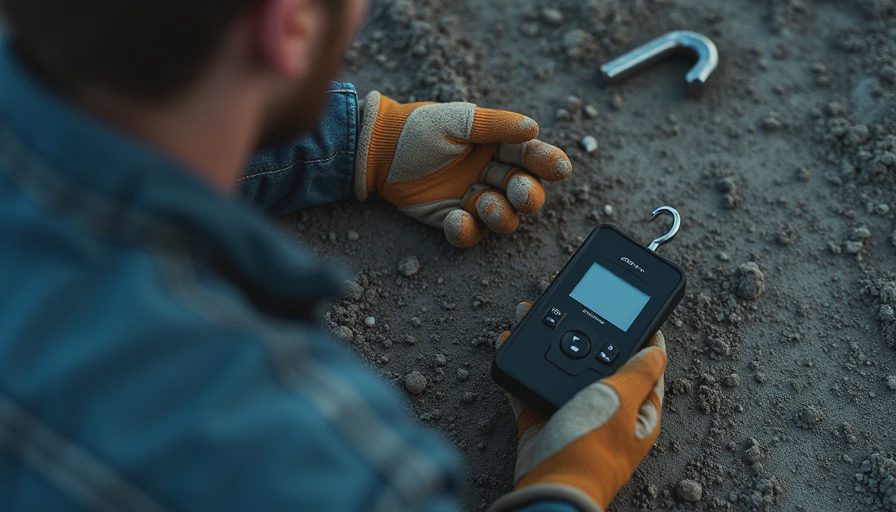
The most common failure is the receiver adapter. Cheap inserts use thin-wall tubing that cracks at the weld under a side load. I saw a 12,000-pound-rated winch shear the pin channel on a $79 adapter while pulling a stuck Jeep out of a sand wash near Chino Valley. The adapter let go and the winch slammed onto the dirt.
The second failure is electrical. A long battery cable run from the engine bay to the rear eats voltage at every weak connection. One guy's winch spooled in slowly and then stopped. A meter showed 11.2 volts at the terminals with the truck running. We swapped in 2-gauge welding cable and it pulled like a new unit.
The third is the wireless remote. Off-the-shelf remotes work in a parking lot but drop signal on the trail when you're on the other side of a hill. Keep the wired remote in your glovebox.
How to Pick the Right Hitch Mounted Winch
When you shop for a hitch mounted winch, start with capacity. Multiply your vehicle's gross weight by 1.5. A 12,000-pound winch fits most half-ton trucks and SUVs. Heavier rigs should step up to 13,500 or more.
Then check the mounting system. Make sure the plate is rated for the full pull and uses a bolt-style pin, not the spring-loaded ball mount pin. If you have a 2.5-inch receiver, buy the right insert or an adapter that doesn't wobble.
Choose synthetic rope over steel for a hitch unit. It's lighter, safer if it snaps, and won't rust. Steel is cheaper and handles abrasion better, but synthetic is easier to handle when you're standing in mud.
Brands matter. Warn has been the standard for decades. Smittybilt and Harbor Freight's Apex line offer affordable options I've seen hold up. Whichever you buy, open the gearbox and check the grease. I found a factory unit with almost no lubricant on the planetary gears.
Wiring and Rigging: The Details That Matter
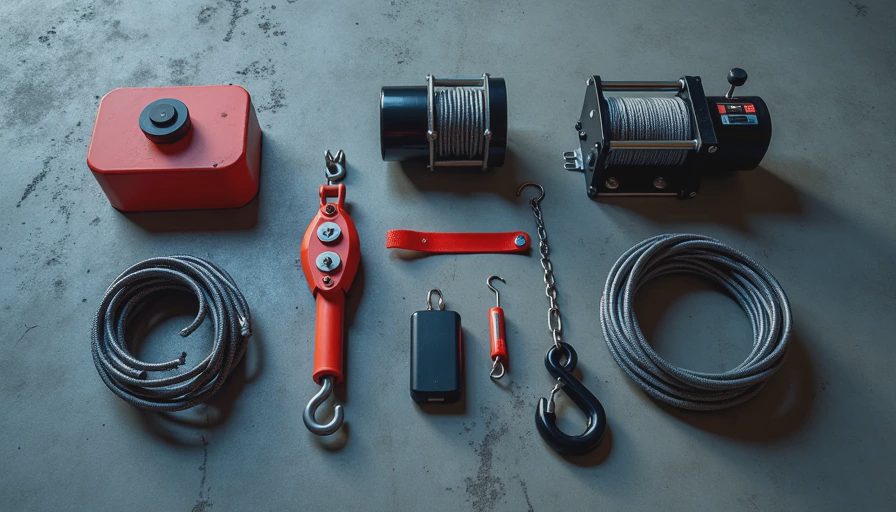
Plan the wiring before you bolt it in. Use 2-gauge cable for runs over 30 feet and install quality Anderson connectors at the rear so you can disconnect the winch when it's not mounted. Ground the return cable directly to the frame, and wire it to a battery that gets regular alternator charging.
On the recovery side, always use a tree strap or recovery point that can handle the load. Don't wrap the line around a steering knuckle. Use a snatch block to double the pull at a bad angle, and keep a winch damper or a heavy jacket on the line near the anchor.
Test the winch at home with the truck running and parking brake set. Run it in and out a few times, seat the rope, and make sure the brake holds. I've seen winches that spool out fine but won't hold a load because the clutch wasn't tightened at the factory.
Who Should Buy One
A hitch mounted winch makes sense if you want rear recovery, need to swap a winch between vehicles, or aren't ready to commit to a front bumper setup. It's a compromise, but a smart one for weekend warriors driving forest roads and occasional mud.
If you're rock crawling weekly where the line has to come off the front, spend the money on a permanent front winch. Whatever you choose, put in the time to rig it safely. The winch is just hardware. The rigging keeps you from turning a stuck truck into a bent frame.
Buy from a company that stands behind its product. I've seen $350 knockoff winches lose their brake on a downgrade and free-spool a line in a hurry. That's not a part you gamble on. Pay for a warranty and a service network. You'll thank yourself the first time you need it.