A pickup camper looks simple in a showroom: a box, a bed, a few cabinets, and a place to sleep. In the dirt, it becomes a tall, heavy load riding above your rear axle. Choosing a pickup camper means matching that load to the truck, then checking every attachment point before a washboard road shakes something loose. I have watched people spend $30,000 on a camper and another $8,000 making the truck carry it safely. Start with the numbers instead.
Start with payload, not floor plans
Find the truck's payload rating on the certification label inside the driver's door. Do not use the maximum towing number. A half-ton truck may tow a large trailer but carry only 1,500 to 2,000 pounds in the bed. A wet pickup camper includes propane, water, food, batteries, tools, clothing, and passengers. Those additions can push the real load far beyond the brochure's dry weight.
A practical example is a 1,100-pound dry camper that becomes 1,600 pounds ready for a weekend. Add two adults, a dog, recovery equipment, and a full fuel tank, and the truck could be carrying more than 2,000 pounds. Weigh the truck before buying and again after loading it. Use a public truck scale, record front and rear axle weights, and compare both with the axle ratings printed on the vehicle label. The rear axle is usually where the trouble starts.
Suspension helpers do not create legal payload. Airbags can level a truck, but they cannot increase the rating of the frame, wheels, tires, or axle. That distinction matters on a steep descent outside Flagstaff, where a level-looking truck can still have overloaded tires.
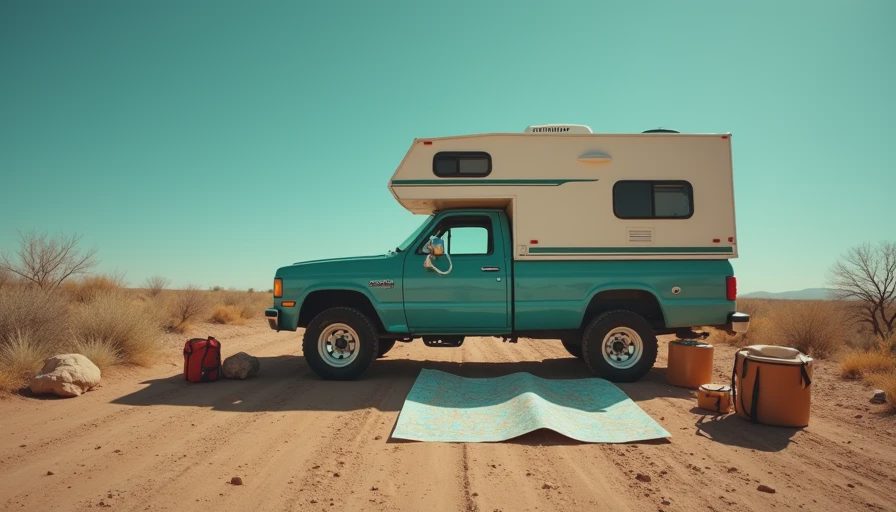
Match the camper to the truck's weak points
A compact pickup camper is not automatically an easy load. Some short-bed models concentrate weight behind the axle, while a longer model may spread weight better but require a heavier truck. Check center of gravity markings on the camper. The forward edge of the marked zone should sit ahead of the rear axle, not several inches behind it.
For a half-ton pickup, I favor a simple pop-up design with modest water capacity and no unnecessary slide-outs. A three-quarter-ton or one-ton truck gives more margin for a hard-sided camper, larger battery bank, and recovery gear. That margin is valuable when the road turns into bowling-ball-sized rock. It also reduces brake heat and keeps steering response predictable.
Inspect the tires before you inspect the cabinetry. Load-range E tires are common on serious three-quarter-ton builds, but the correct choice depends on the truck's axle ratings and wheel capacity. Look for a tire with enough capacity at the pressure required by the loaded axle. Do not blindly install the biggest tire available; sidewall clearance and gearing still matter.
Tie-downs are structural hardware
A pickup camper should be secured through proper front and rear tie-downs, not improvised chains hooked to thin bumper brackets. Frame-mounted systems generally provide a stronger attachment than bed-mounted points, especially when the truck flexes on uneven ground. Use turnbuckles designed for the camper system and follow the manufacturer's torque guidance.
Before every trip, check that the tie-downs are tight without crushing the camper's anchor points. Examine welds, bolts, spring tension, and the bed floor around the mounts. One loose fastener can turn into a cracked corner after several miles of corrugated road.
I also inspect the gap between the camper and cab. Dirt packed into that space can rub through paint and aluminum. Add protective material where needed, but do not block drainage or create a pocket that holds water against the truck. After the first 50 to 100 miles, stop and retorque what the manufacturer specifies. Vibration finds every shortcut.
Keep the systems simple and serviceable
The best pickup camper systems are accessible with ordinary tools. A water pump hidden behind a glued panel is a problem, not a luxury feature. Before purchase, open every service hatch. Identify the pump, fuse panel, battery, propane regulator, and drain points. If you cannot reach a component without removing half the interior, expect an unpleasant repair in a cold campsite.
A basic 12-volt electrical system with a properly protected battery, simple solar charging, and readable fuses is easier to diagnose than a maze of aftermarket accessories. Label both ends of every wire. Carry spare fuses, hose clamps, a short length of water line, and the tools needed to bypass a failed pump.
Propane deserves its own inspection. Check hoses for cracking, confirm that appliances vent outside, and install working carbon monoxide and smoke detectors. Never operate a fuel-burning heater or stove in a sealed sleeping area. Ventilation is not optional, even when the temperature drops below freezing.

Test the pickup camper before the trail
Take the loaded rig on pavement first. Test braking from moderate speed, make several controlled lane changes, and listen for movement from the bed or interior. Then find a rough road with short, low-speed undulations. You are looking for contact between the cab and camper, cabinet doors opening, battery movement, and suspension bottoming.
After that shakedown, inspect the tie-downs, jacks, plumbing, and roof seals. Water intrusion often starts at a seal that looked fine in the driveway. A garden hose test can reveal obvious leaks, but do not aim high-pressure water directly at vents or seals.
Pack the same way you will travel. Heavy tools, spare parts, water, and recovery boards should sit low and near the truck's center, not in a rear storage box. Keep one load sheet in the glove box with axle weights, tire pressures, fluid types, and the part numbers for filters and belts. When something fails after dark, memory becomes less useful.
Insurance and roadside planning
Tell your insurer that you are carrying a pickup camper and ask how the camper itself is covered. Some policies treat a slide-in camper as personal property, while others offer specific recreational vehicle coverage. A standard auto policy may cover the truck but provide limited protection for permanently installed camper equipment, contents, or damage during removal.
Ask about comprehensive coverage, collision coverage, liability limits, roadside assistance, and whether towing applies to the combined truck-and-camper setup. Keep receipts and photographs of the camper, appliances, solar equipment, suspension work, and tie-down hardware. A current inventory makes a claim easier to document.
Do not assume a roadside plan can recover a tall, overloaded rig from a narrow forest road. Ask whether off-pavement recovery is excluded and whether the provider sends equipment capable of handling your loaded weight. A satellite messenger, paper maps, spare tire plan, and a partner vehicle still matter.
My field checklist before buying
A sound pickup camper should pass five checks. Its wet weight must leave real payload margin. Its center of gravity must sit forward of the rear axle. Its tie-down system must connect to strong truck structure. Its appliances and wiring must be serviceable. Its loaded test drive must show controlled braking, stable handling, and no contact points.
If a seller cannot provide a realistic wet weight, walk away. If the truck needs maximum airbag pressure just to sit level, walk away. If the camper's best feature is a giant television while its battery compartment is inaccessible, walk away. Comfort matters, but recovery matters more when you are 20 miles down a rough road.
I have repaired enough expensive mistakes to prefer a lighter shell, fewer moving parts, and room for tools. Buy the pickup camper that leaves capacity in reserve, then spend the first trip finding its weak points close to home. If it hasn't broken in the backcountry, I don't recommend it.