A 2012 nissan armada is not a cute little trail toy. It is a large, heavy, body-on-frame SUV with a 5.6-liter V8, real low range, and enough interior room to carry recovery gear, water, tools, and a very tired dog. That combination makes it interesting for overlanding, but only if you buy the right one and inspect it like a mechanic instead of a parking-lot shopper.
I have seen these trucks work well on long desert routes, and I have also seen neglected examples turn a weekend trip into an expensive tow bill. The difference is usually maintenance, not a magical suspension kit. Before spending money on bumpers or rooftop tents, find out what the chassis, cooling system, transmission, and four-wheel-drive system are telling you.
What makes the 2012 nissan armada useful off pavement
The 2012 nissan armada uses a ladder-style frame and a full-size platform, so it starts with useful strength for carrying expedition weight. The V8 has the torque to pull through loose climbs, while the automatic transmission makes slow technical driving less tiring than it is in a manual truck with a heavy clutch. Four-wheel drive models include low range, which is the feature that matters when a loaded rig has to crawl over rocks rather than simply spin all four tires in sand.
The independent rear suspension gives the Armada a smoother ride on washboard than a solid-axle SUV in some conditions. It also leaves more room underneath for a large fuel tank and cargo area. That comfort comes with a tradeoff: articulation is not its strong suit. A wheel can lift sooner on uneven terrain, and the long wheelbase demands attention on sharp breakovers. This is a full-size expedition wagon, not a rock buggy.
Stock ground clearance is adequate for forest roads and moderate desert tracks. The first useful changes are usually all-terrain tires, a modest suspension refresh, and real underbody protection. A two-inch lift can help tire clearance, but a tall lift with weak alignment control often creates more problems than it solves.
Inspect these areas before buying
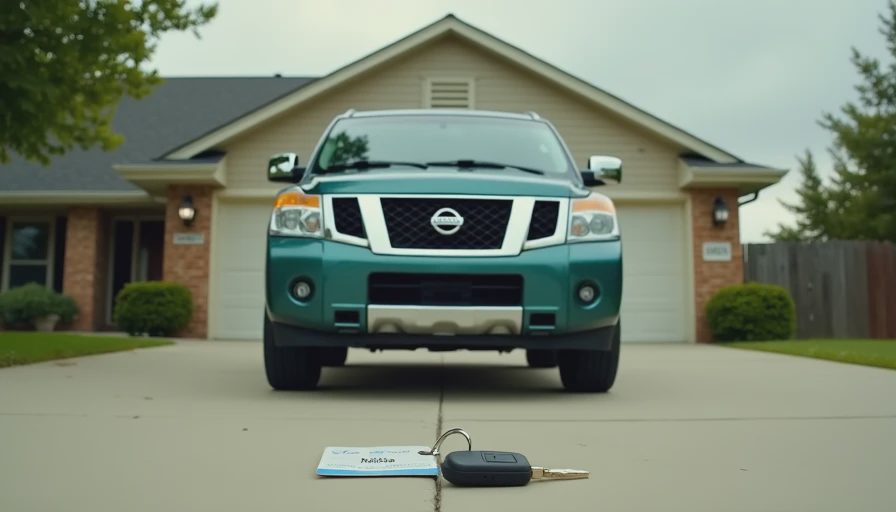
Start underneath. Look for bent crossmembers, crushed transmission pans, leaking differential seals, and frame corrosion around suspension mounts. Surface rust is one thing; layered scale that flakes off with a screwdriver is another. Bring a flashlight, gloves, and enough time to get dirty. If a seller refuses an underside inspection, walk away.
On a 2012 nissan armada, check the front suspension carefully. Worn lower ball joints, tie-rod ends, sway-bar links, and control-arm bushings can make a big SUV wander under braking. Have a shop check wheel bearings and measure play rather than accepting “it probably just needs an alignment.” A proper alignment cannot repair a loose joint.
The 5.6-liter V8 should start quickly when cold and idle without a sharp metallic rattle. Watch for coolant loss, oil leaks, smoke, and a temperature gauge that climbs during a long test drive. Inspect the radiator, hoses, fan operation, and transmission cooler lines. A cooling problem that seems minor in town becomes a serious recovery problem on a slow climb in 105-degree desert heat.
Test four-wheel drive in a safe dirt area. Confirm that high range and low range engage, the indicator lights behave correctly, and the truck does not make grinding or popping noises under load. Drive tight circles on loose ground and listen for differential noise. Service records for transmission, transfer case, and differential fluids are worth more than a glossy set of aftermarket wheels.
Common build mistakes with this platform
The first mistake is buying suspension parts before weighing the truck. Add armor, drawers, a fridge, a second spare, recovery boards, and camping water, and the rear axle can carry several hundred extra pounds. A spring designed for an empty SUV may sag quickly. Measure hub-to-fender height before and after each change, and choose load capacity based on the truck you actually use.
The second mistake is fitting oversized tires without checking clearance and gearing. A 33-inch all-terrain tire is a sensible target for many builds, but actual size varies by manufacturer. Rub points should be found in the garage, not on a muddy trail with the steering locked. Check the inner fenders, brake lines, sway-bar clearance, and full suspension compression.
The third mistake is ignoring recovery points. Factory tow hooks are not a complete recovery system, and a decorative steel bumper is not automatically strong. Use recovery hardware attached to reinforced frame points. A soft shackle around a rated point is generally kinder to equipment than dragging a chain across a thin bumper bracket. Practice winch communication before the first stuck vehicle, not during it.
The 2012 nissan armada also needs sensible weight management. Keep heavy tools low and close to the center of the vehicle. A roof rack, tent, awning, and fuel cans raise the center of gravity and increase wind load. If your build requires a ladder to reach half your gear, the packing plan needs another look.
A practical first-stage setup
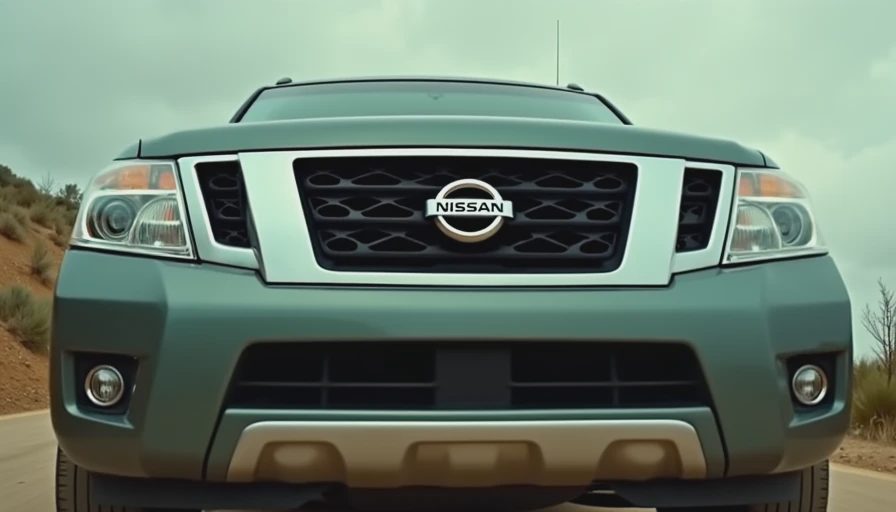
For a reliable weekend and overland build, I would begin with a complete fluid service, fresh filters, new spark plugs if due, and a baseline inspection of every rubber bushing. Replace worn steering and suspension parts with quality components before adding height. Then fit a proven all-terrain tire, a full-size spare, rock sliders or carefully designed side protection, and a front skid system that still allows oil and filter service.
Carry a tire plug kit, compressor, pressure gauge, spare valve cores, a torque wrench, basic electrical tools, and a scan tool that can read more than generic engine codes. Add rated soft shackles, a tree-protection strap, traction boards, and a shovel. Recovery equipment is not decoration; it is how you get home after a tire loses air or a storm turns a road into clay.
The best 2012 nissan armada build is not the tallest one in the group. It is the one that can travel 200 miles from pavement, carry enough water, run cool, and return without a loose front wheel or cracked mount. Test every modification on progressively harder routes. Start with graded forest roads, then move to rocky climbs where you can inspect what contacted the ground.
How I would buy one today
I would look for a mostly stock four-wheel-drive example with service records, straight body panels, clean fluid, and minimal rust. A stock truck lets you see its real condition. A heavily modified one can hide worn parts behind fresh paint, oversized tires, and a pile of receipts that do not prove the work was done correctly.
Budget beyond the purchase price. A pre-trip refresh can easily run $1,000 to $3,000 depending on tires, brakes, fluids, and suspension wear. Add more for cooling-system repairs or four-wheel-drive faults. That money is less painful in a driveway than on a recovery invoice from a remote trail.
The 2012 nissan armada is worth considering when its fundamentals are healthy. It offers V8 power, useful low range, generous cargo space, and a comfortable platform for long routes. It is not efficient, nimble, or light, so drive it with realistic expectations. Keep the build moderate, protect the underside, and inspect the parts that carry the weight.
If it hasn't broken in the backcountry, I don't recommend it. That rule applies to the vehicle, the accessories, and the confidence behind the steering wheel. Buy the clean truck, fix the boring problems first, and let the trail prove the rest.